
友情链接
- 科技日报社概况
- 科技日报概况
- 报社领导
- 关于买世界杯手机登录入口-买世界杯(中国)
- 联系我们
- 公示公告
- 广告刊例
- 科技日报社公开招聘公告
- 互联网新闻信息服务许可证
- 信息网络传播视听节目许可证
- 举报平台
- 版权声明
- Copyright © Science and Technology Daily, All Rights Reserved
- 科技日报社 买世界杯手机登录入口-买世界杯(中国) 版权所有


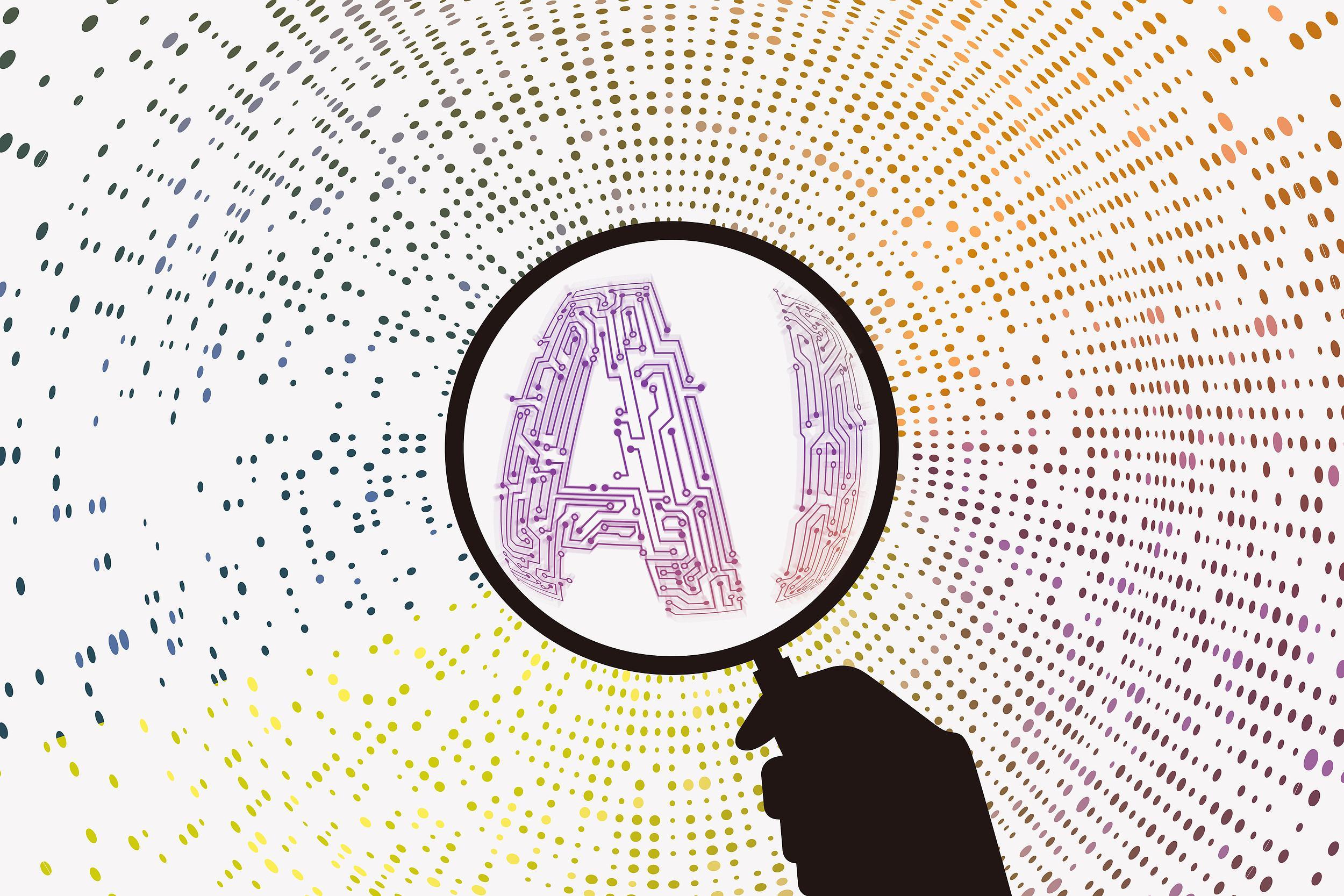
Fortunately, the wide gap between virtual simulation and real-world execution is closing fast, driven by the advancement of homegrown technology. This breakthrough arrives as China's 15th Five-Year Plan (2026-2030) prioritizes foundational AI research and technology transfer.
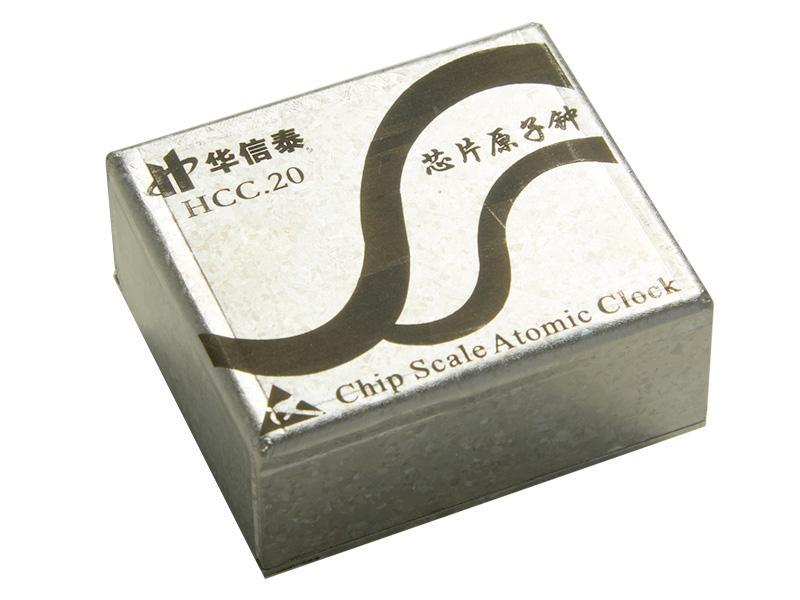
Barely the size of a matchbox, the new generation of chip-scale atomic clocks (CSACs) developed by Tianjin Huaxintai Technology Co. is ready to enable precise timekeeping for deep-sea oil exploration, commercial satellites, and smart power grids.

Named Gangtie Jiliang, or Steel Backbone, it is the world's first kilometer-scale, vertical shaft, hard-rock, full-face tunnel boring machine (TBM). The revolutionary borer recently wormed its way deep into the ground at an iron ore project site of Ansteel Group Corporation Limited in Anshan, northeast China's Liaoning province.
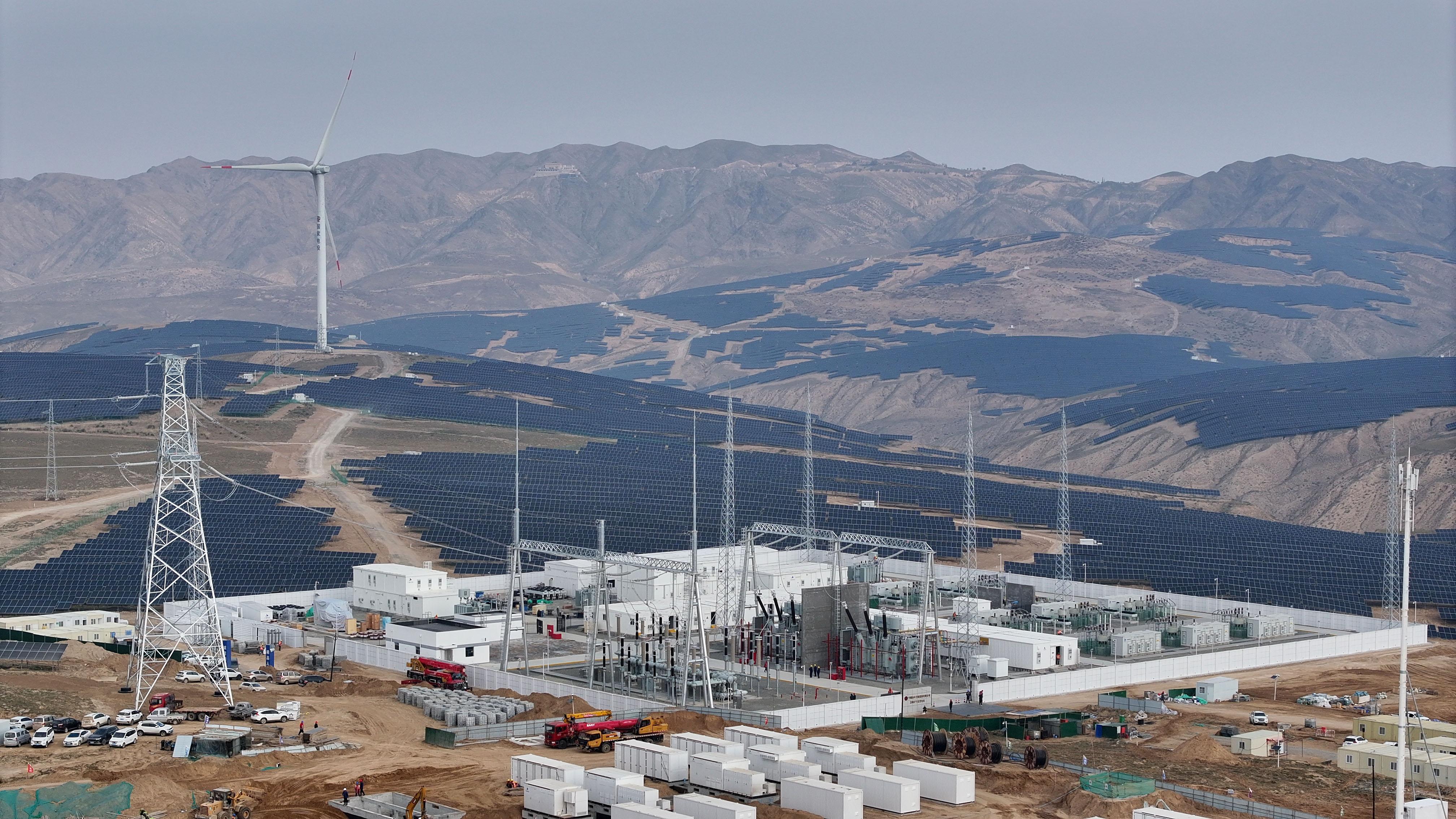
Why can China's invisible electricity, packaged as tokens, drive global AI like "digital oil"? The answer lies in a combination of systemic advantages that make Chinese tokens both abundant and affordable — an edge that is exceptionally hard to replicate.
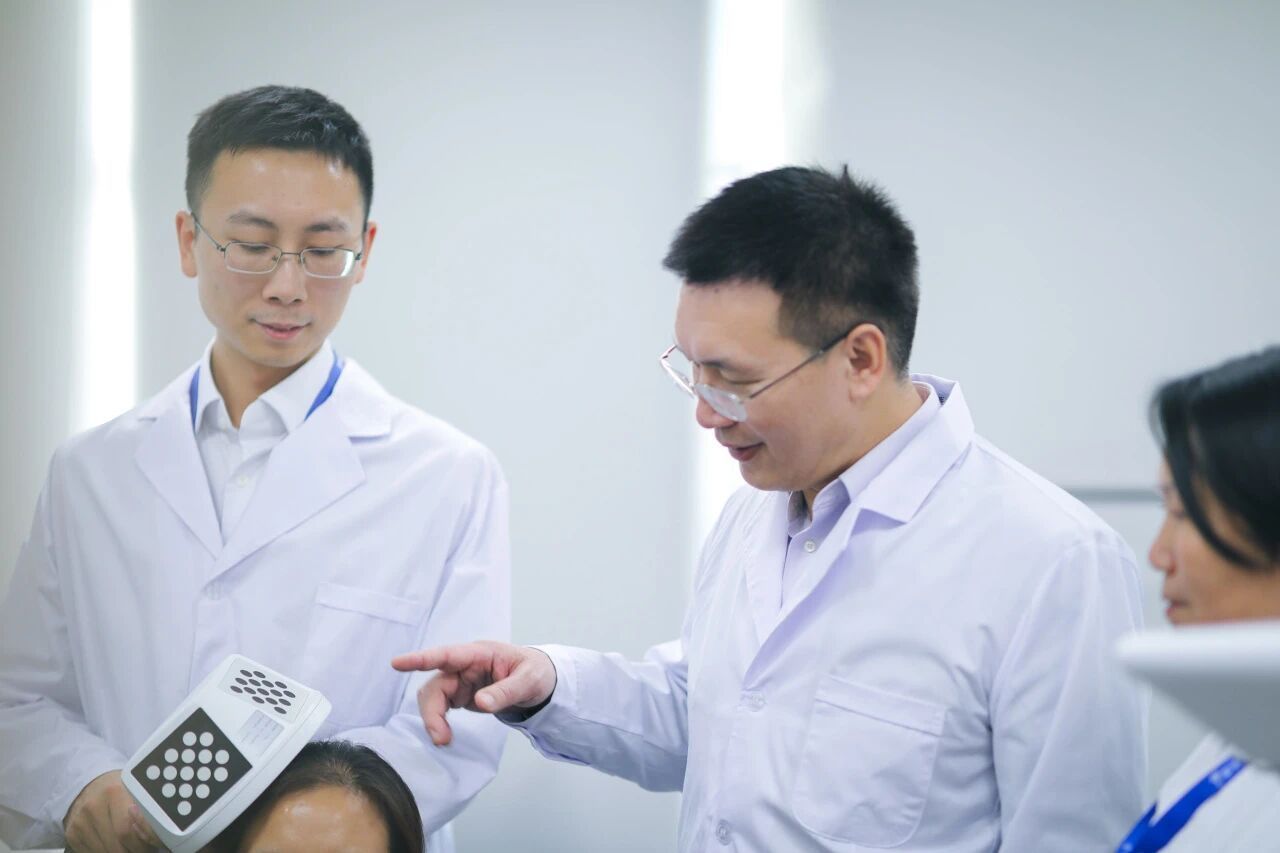
Now, a team of Chinese scientists has unlocked this puzzle. After years of relentless effort, beset by major setbacks, the team led by Professor Liu Hesheng from the Changping Laboratory and Peking University has developed the world's first non-invasive precision brain stimulation system.
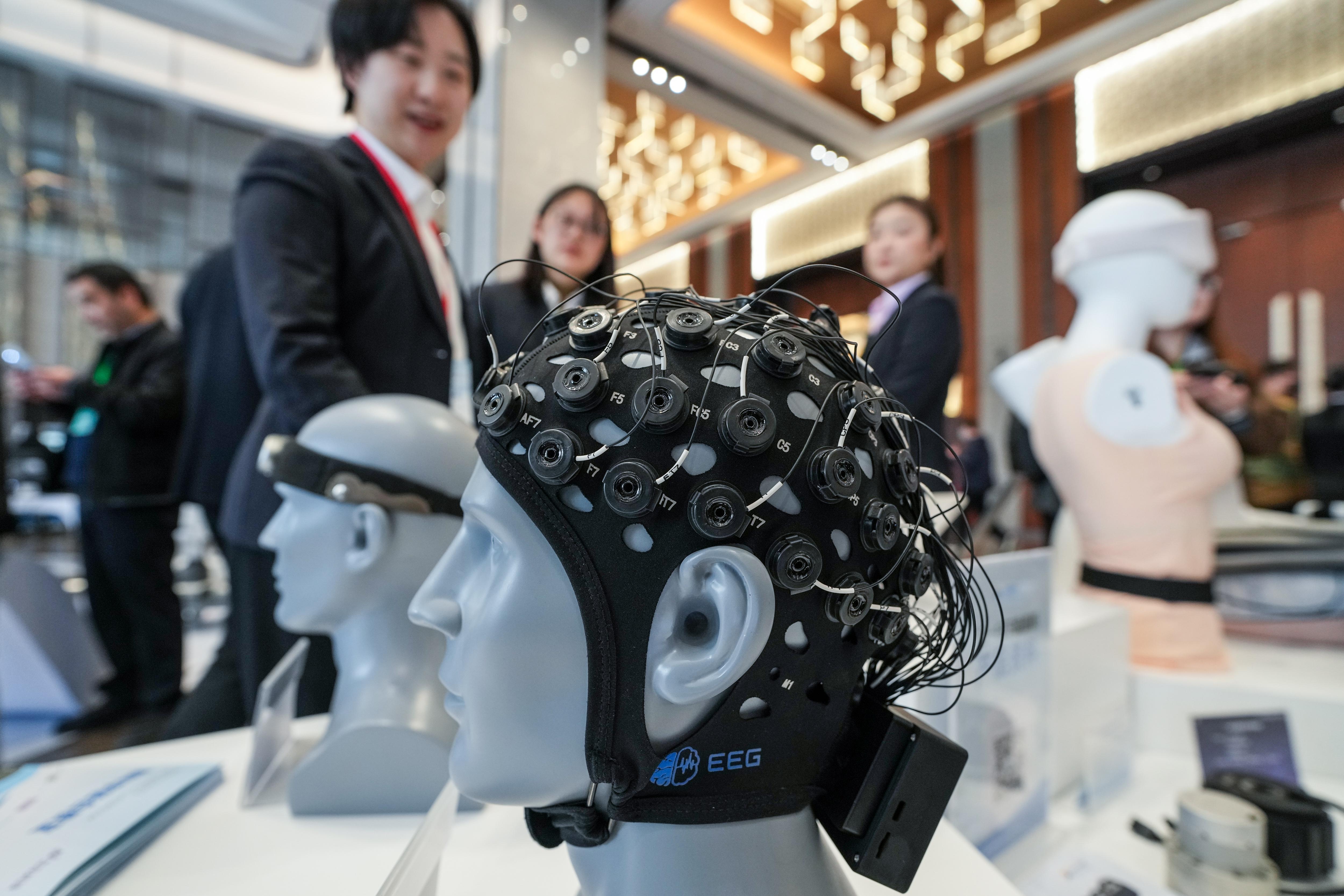
As China accelerates its pursuit of high-quality development, the transformation of scientific and technological achievements has become a strategic priority.
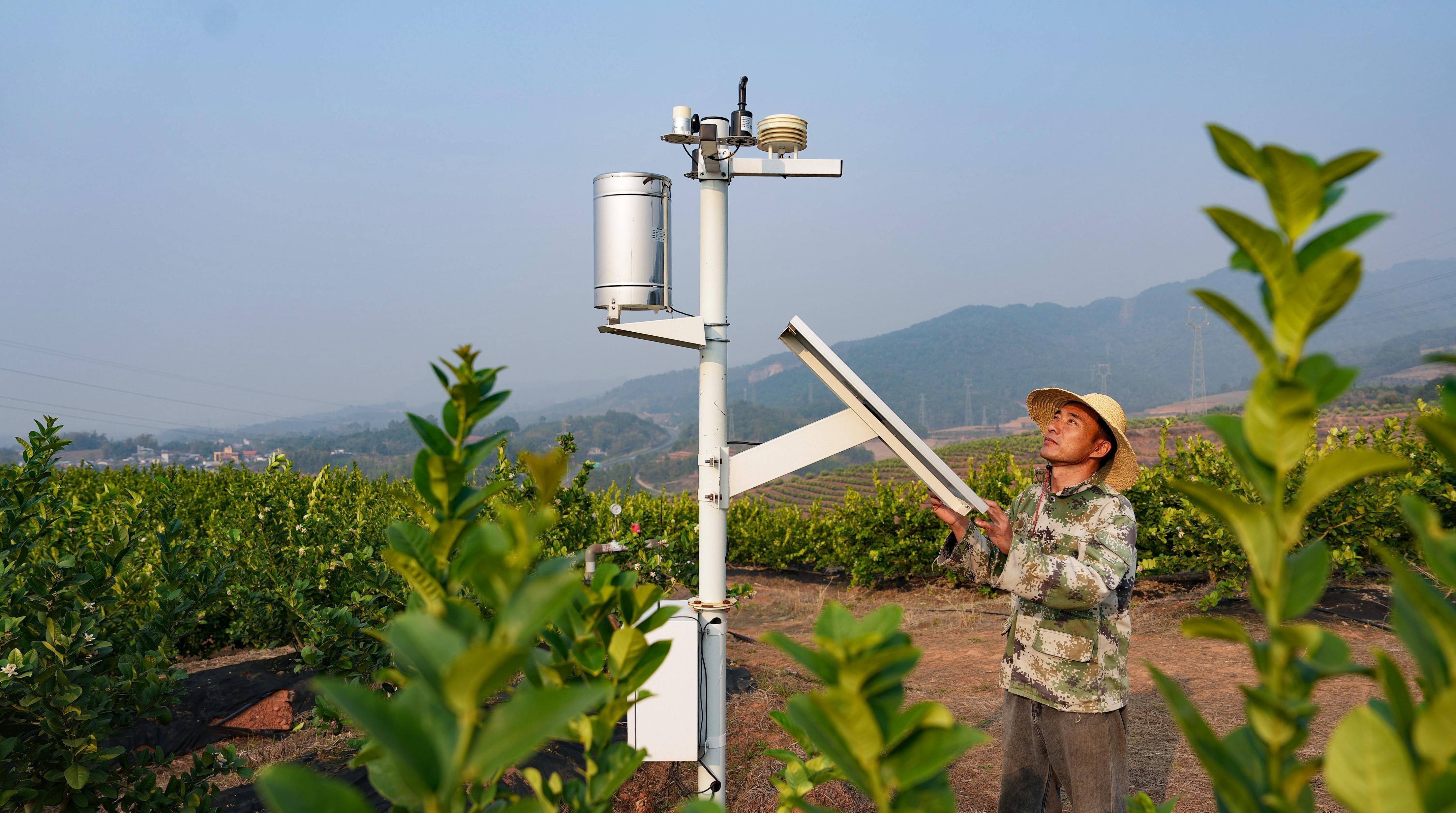
China has built the world's largest agrometeorological observation network, according to the China Meteorological Administration (CMA). Latest data from the CMA shows that the meteorological authorities have established a modern agrometeorological observation system, comprising 642 manual observation stations, 738 automatic observation stations, 15 specialized service centers and 91 experimental stations.
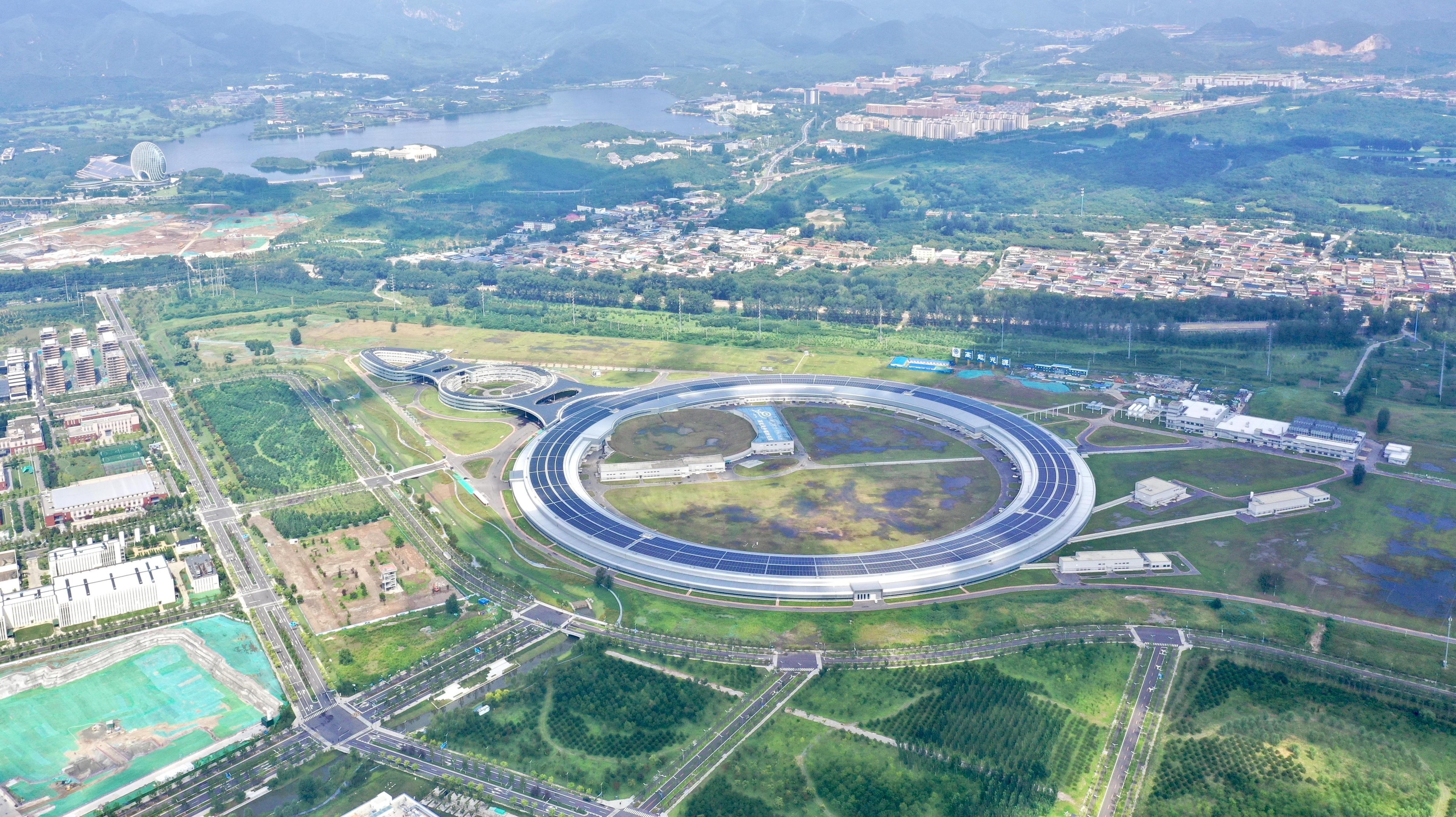
From above, it looks like a giant magnifying glass. The High Energy Photon Source (HEPS), located in Huairou district, Beijing, is China's first high-energy synchrotron light source and Asia's first fourth-generation synchrotron light source, according to Pan Weimin, director of the HEPS project and researcher at the Institute of High Energy Physics (IHEP), Chinese Academy of Sciences (CAS).
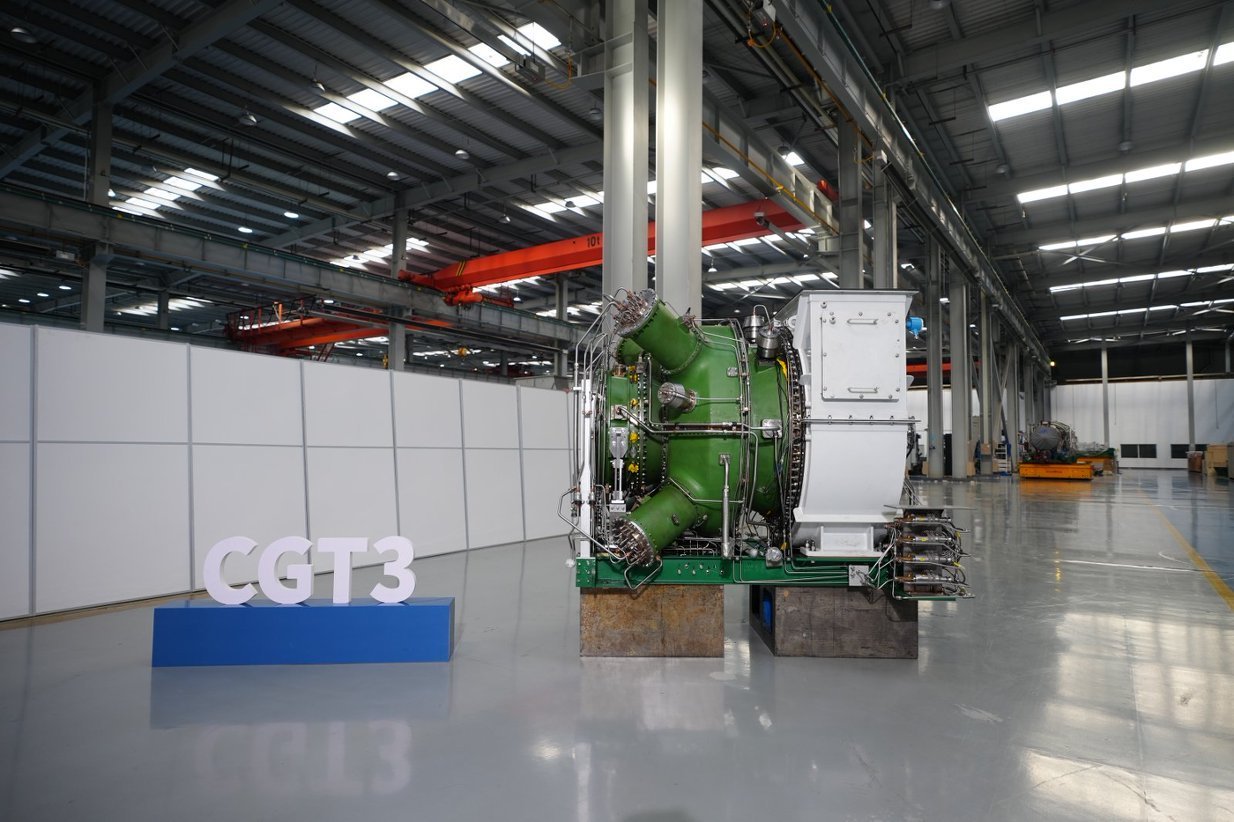
At a recent industry event, the China State Shipbuilding Corporation (CSSC) unveiled its latest technological gem: the CGT3, a three-megawatt gas turbine.
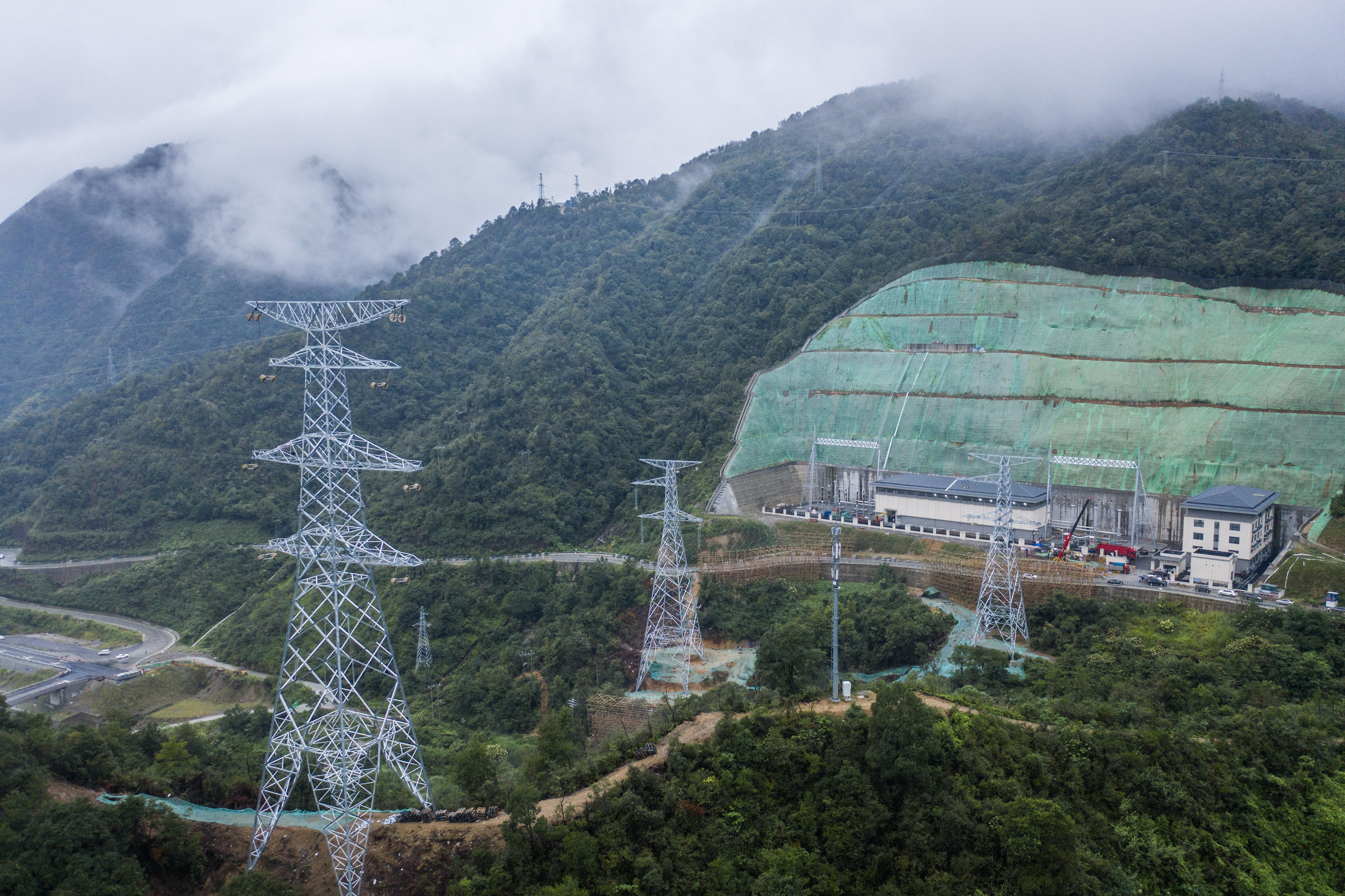
The first unit of the Tiantai Pumped Storage Power Station in Zhejiang province was officially connected to the grid recently, adding a gigantic "power bank" to east China's electricity network.

China is accelerating its R&D of 6G technology, a topic discussed by policymakers and industry experts at the recently held fourth session of the 14th National People's Congress (NPC) and the fourth session of the 14th National Committee of the Chinese People's Political Consultative Conference. With key technological breakthroughs having been made, China is now entering the phase of integration of technical solutions and development of prototype machines.
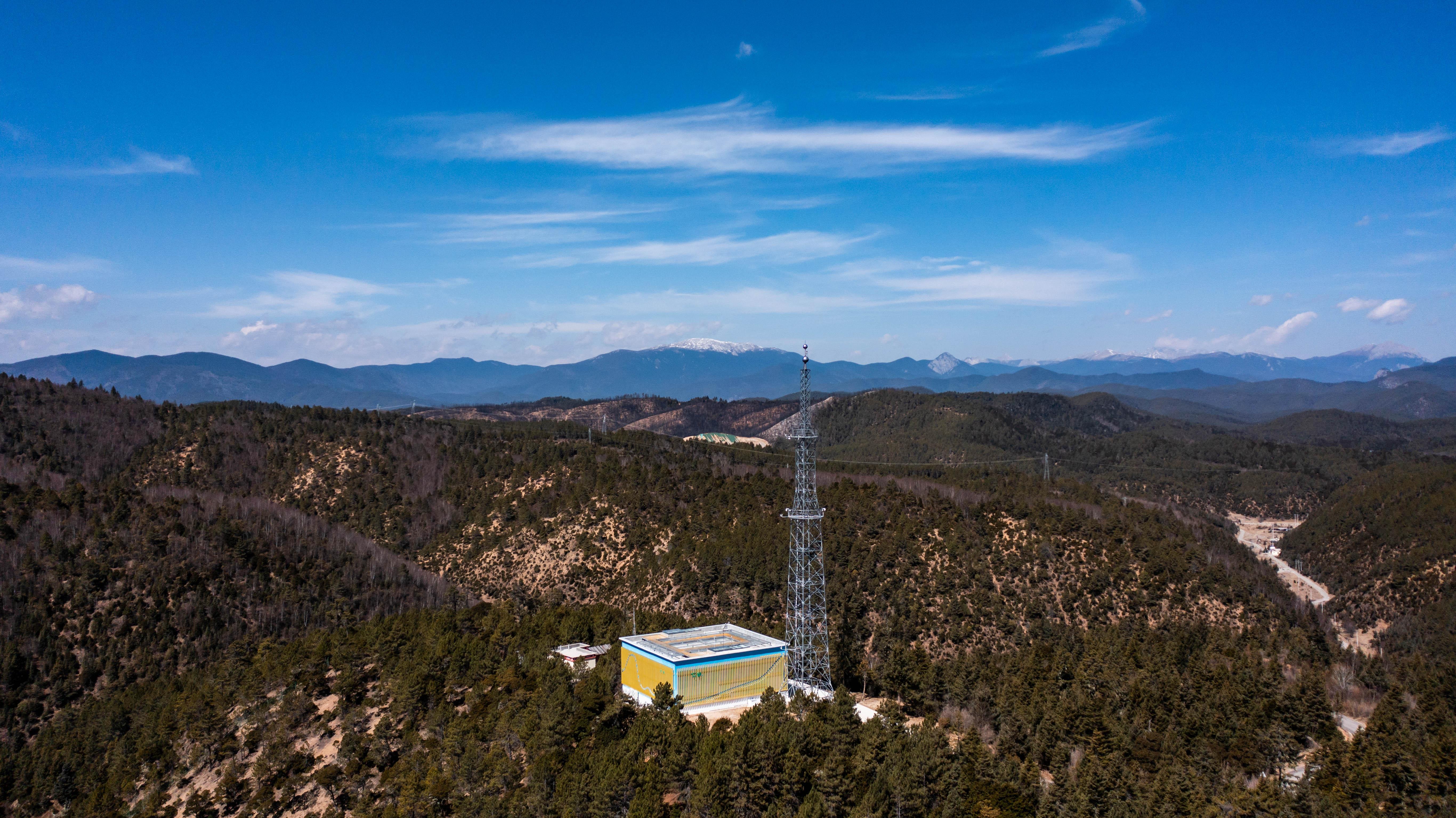
On the peak of Mount Waliguan in northwest China's Qinghai province, at a windswept altitude of 3,816 meters, an unassuming scientific outpost is quietly shaping our understanding of the planet's health. This is the China Global Atmosphere Watch Baseline Observatory that has been monitoring the Earth's temperature for over 30 years.
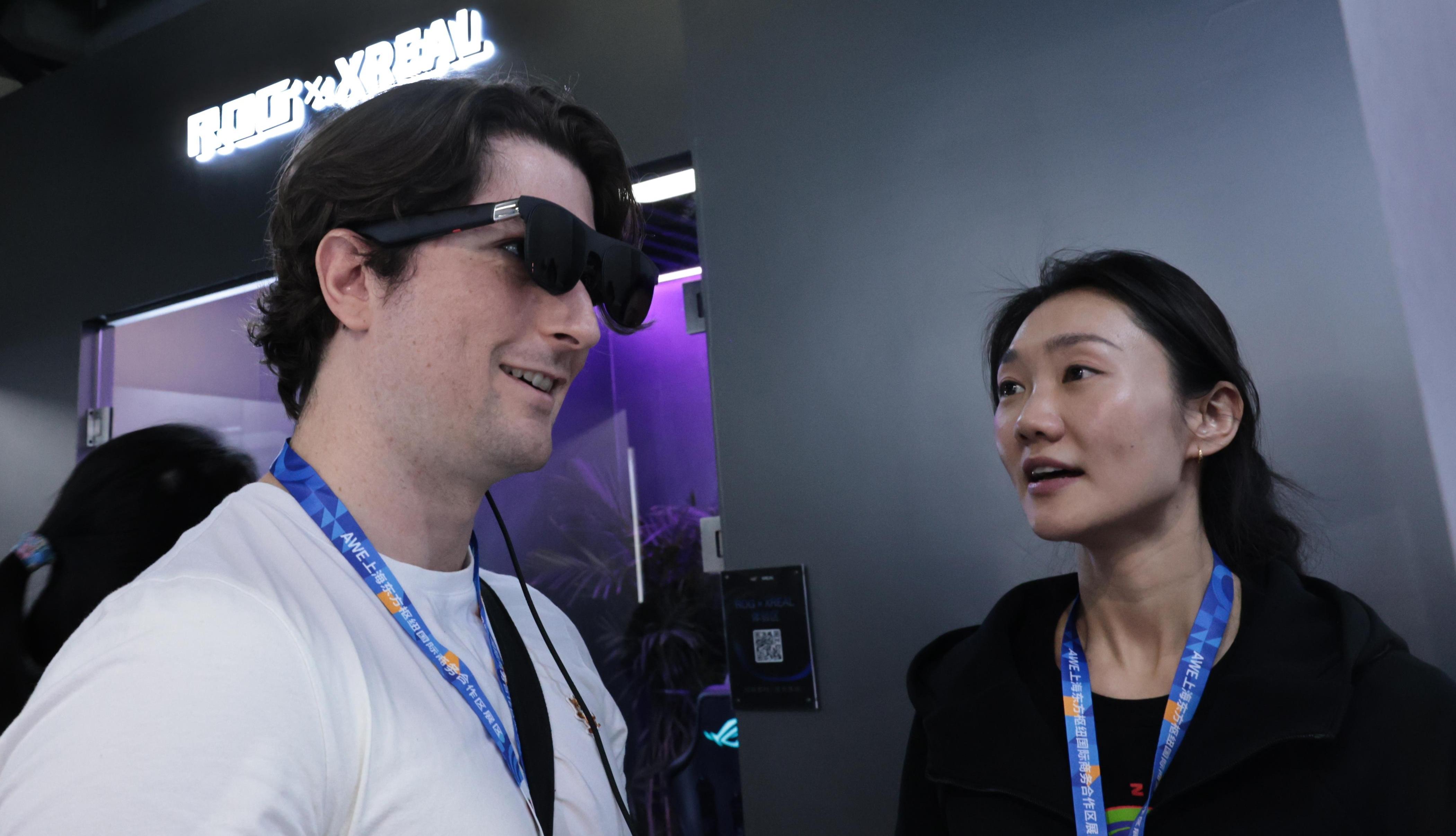
From immersive experiences to intelligent services, frontier science and technology is deeply integrating into the daily life of Chinese consumers. The integration is now widespread in consumer goods, and driving continuous exploration of new consumption scenarios, ultimately upgrading the consumption industry.

With no cables visible on its body, an innovative cleaning robot specifically developed for the casting and engine manufacturing industries can withstand harsh industrial conditions like acid and alkali corrosion, high temperatures and humidity.
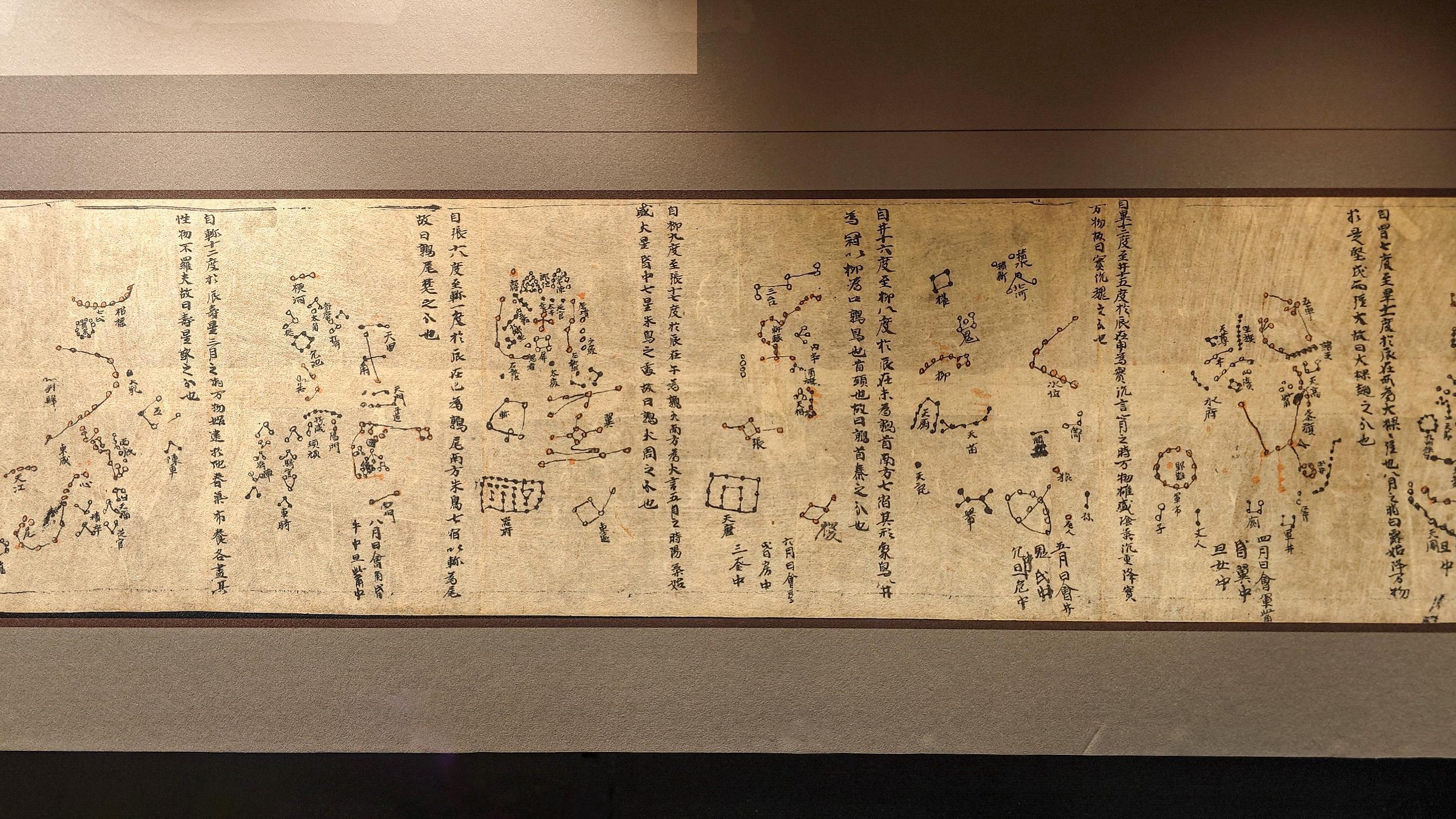
Dating back to the Tang dynasty (618-907), the Dunhuang Star Chart is one of the earliest known graphical depictions of the night sky in ancient Chinese astronomy. It visually corroborates star-related information recorded in early Chinese texts, and is part of a scroll that includes a series of illustrations found among the Dunhuang manuscripts.
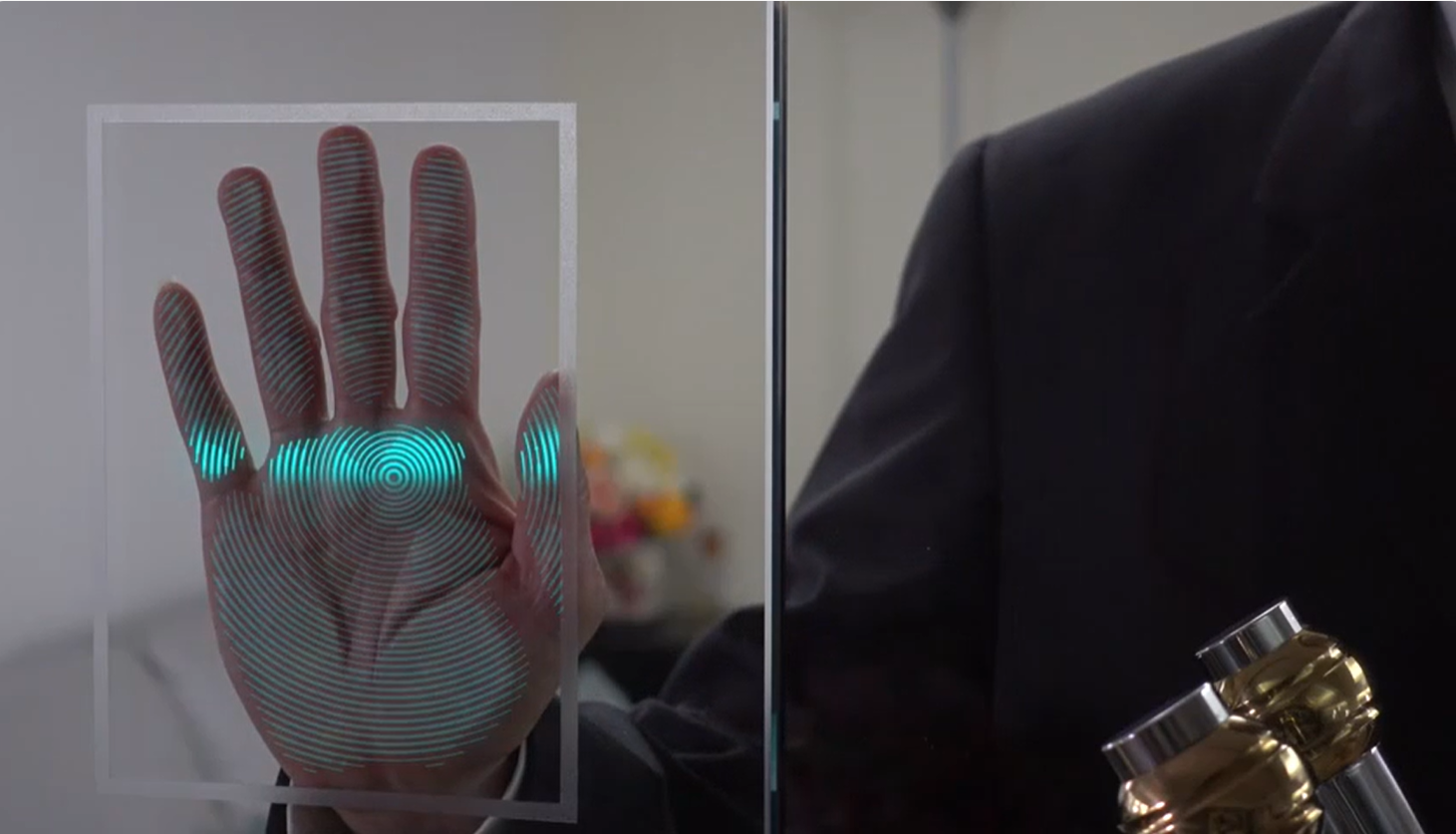
With more than 10 years of commitment, scientists from Tsinghua University, in collaboration with domestic enterprises such as Visionox Technology Inc., have demonstrated the strategic implementation of an exceptionally high-PE, high-luminance OLED, using a phosphor-assisted thermally activated delayed fluorescence (TADF)-sensitized narrowband emission. They ultimately achieved mass production and commercial application of the fourth-generation OLED adopting phosphor-assisted TADF-sensitized fluorescence (pTSF).
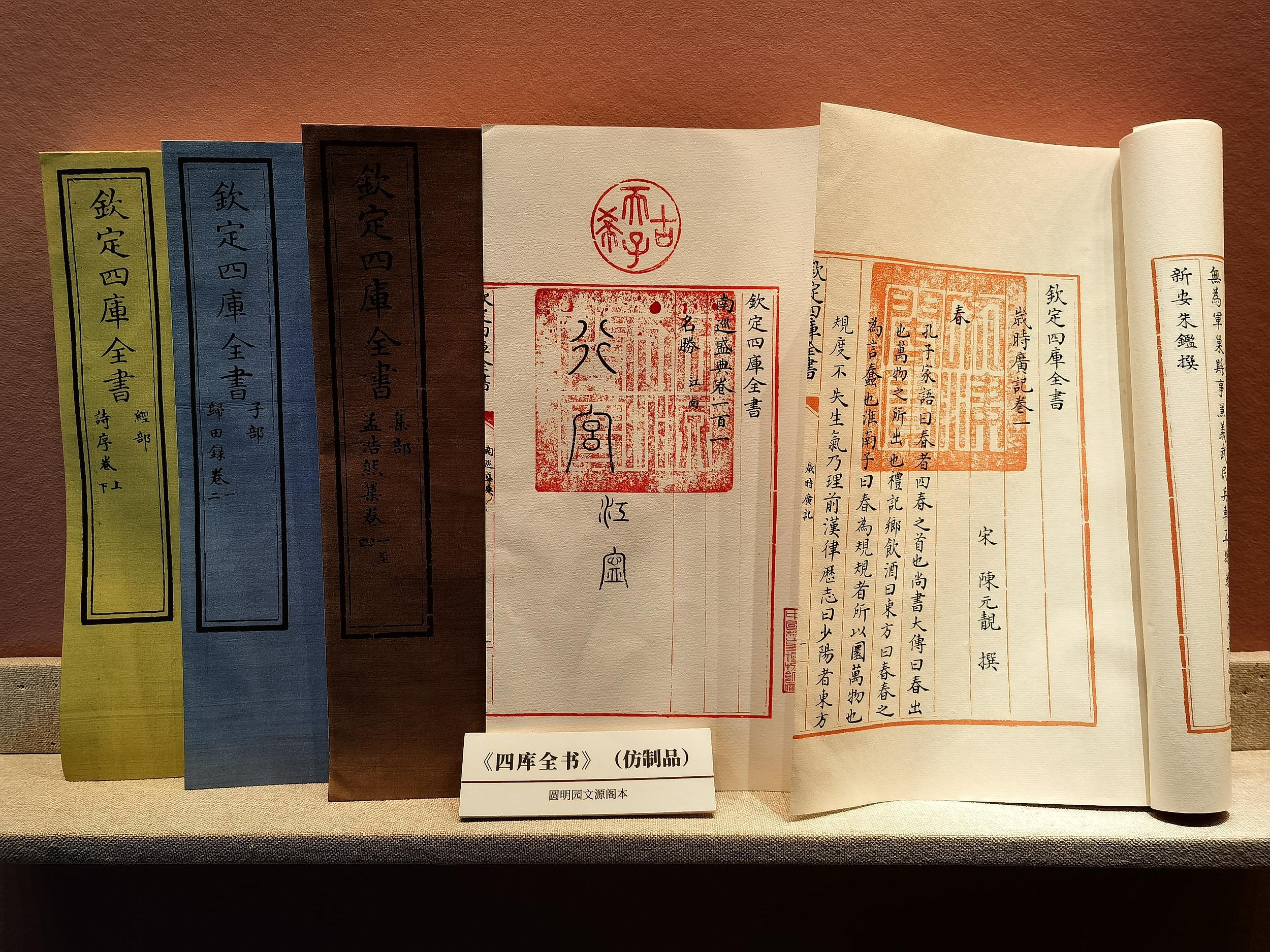
The Siku Quanshu or the "Complete Library in the Four Branches of Literature," is a Chinese encyclopedia commissioned during the Qing dynasty by the Qianlong Emperor. Commissioned in 1772 and completed in 1782, the Siku Quanshu is the largest collection of books in imperial Chinese history, comprising 36,381 volumes, 79,337 manuscript rolls, 2.3 million pages, and about 997 million words.

The bow served as the dominant weapon in ancient Chinese combat, and mastering its use was regarded as a vital military and ritual skill for thousands of years. Over the centuries, archers were used as infantry, chariot riders and cavalry. Although the significance of this weapon was challenged by the sword and crossbow, it continued to be an essential part of a commander's strategy on the battlefield, particularly during initial maneuvers, withdrawals and city defenses.
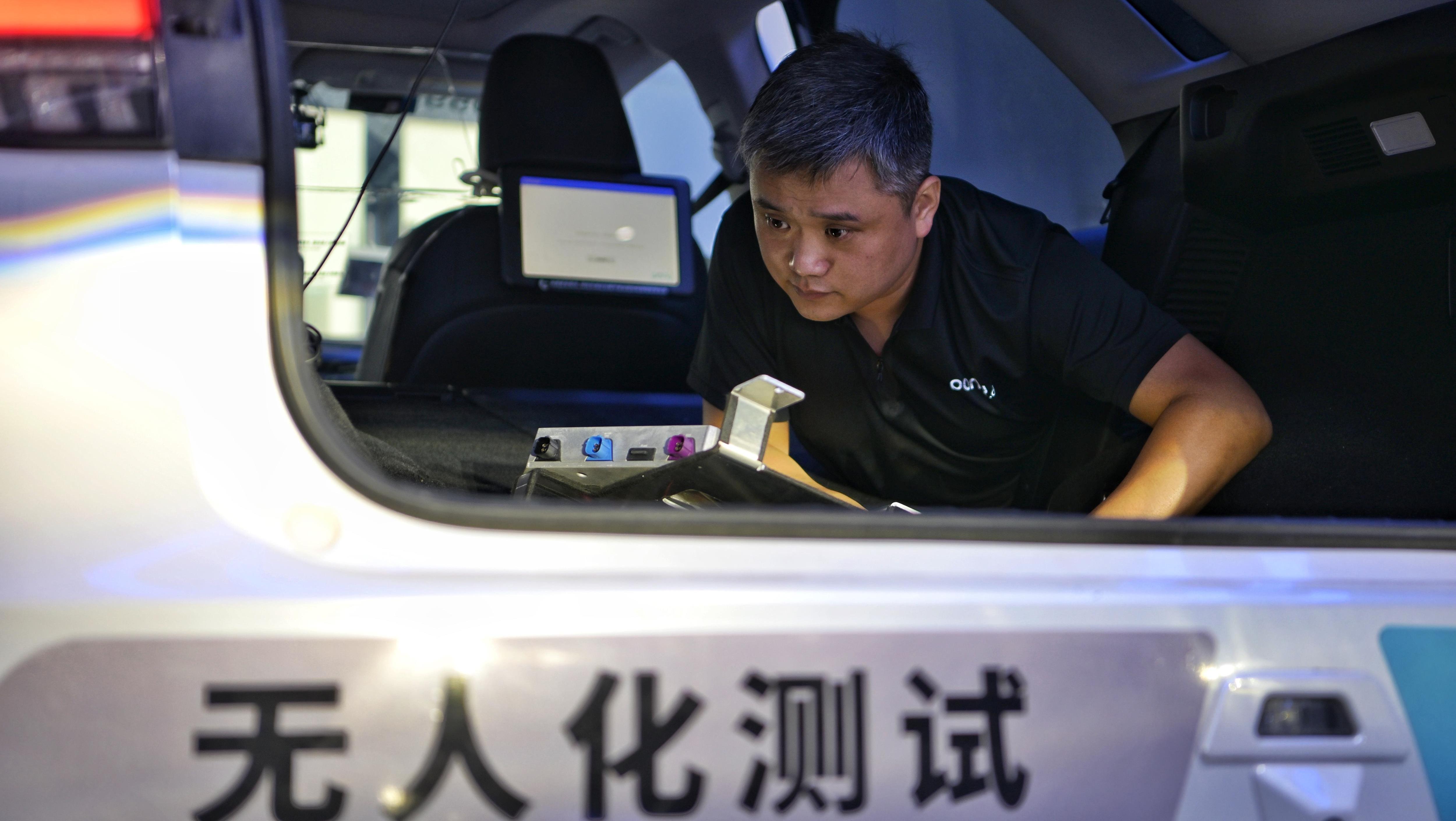
Today, it takes only three days to test vehicles in dangerous scenarios that traditional testing needed half a year. This is because of the creation of a 'limitless' testing environment for autonomous driving vehicles in a limited physical space by Zhao Xiangmo, president of Xi'an University of Architecture and Technology and professor at Chang'an University (CHU), and his team.
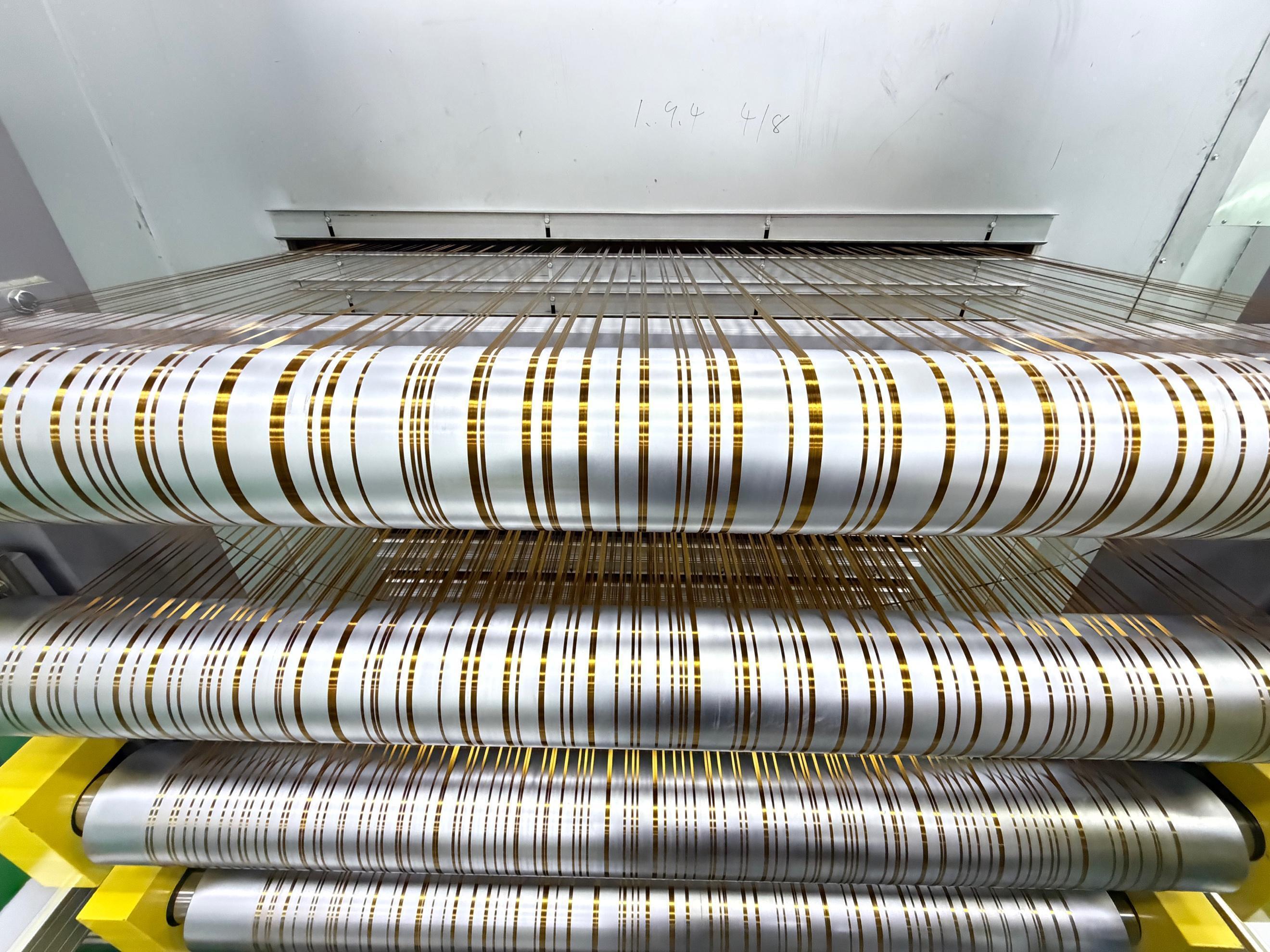
In 2025, the integration of technological and industrial innovation was no longer an abstract concept in policy documents, but a vibrant practice spreading across the country.

Chinese President Xi Jinping has sent a congratulatory letter to the Science and Technology Daily on the occasion of the 40th anniversary of its founding.
Recently, a resident of Chengdu city in southwest China used AI tools to create an intense weight-loss plan. He lost 20 kilograms in 45 days, and then fell into a sudden coma. When he was rushed to the ICU, doctors diagnosed him with multiple organ dysfunction syndrome: A combination of chronic sleep deprivation, irregular eating habits, and high-intensity exercise had disrupted his immune system.