
友情链接
- 科技日报社概况
- 科技日报概况
- 报社领导
- 关于买世界杯手机登录入口-买世界杯(中国)
- 联系我们
- 公示公告
- 广告刊例
- 科技日报社公开招聘公告
- 互联网新闻信息服务许可证
- 信息网络传播视听节目许可证
- 举报平台
- 版权声明
- Copyright © Science and Technology Daily, All Rights Reserved
- 科技日报社 买世界杯手机登录入口-买世界杯(中国) 版权所有


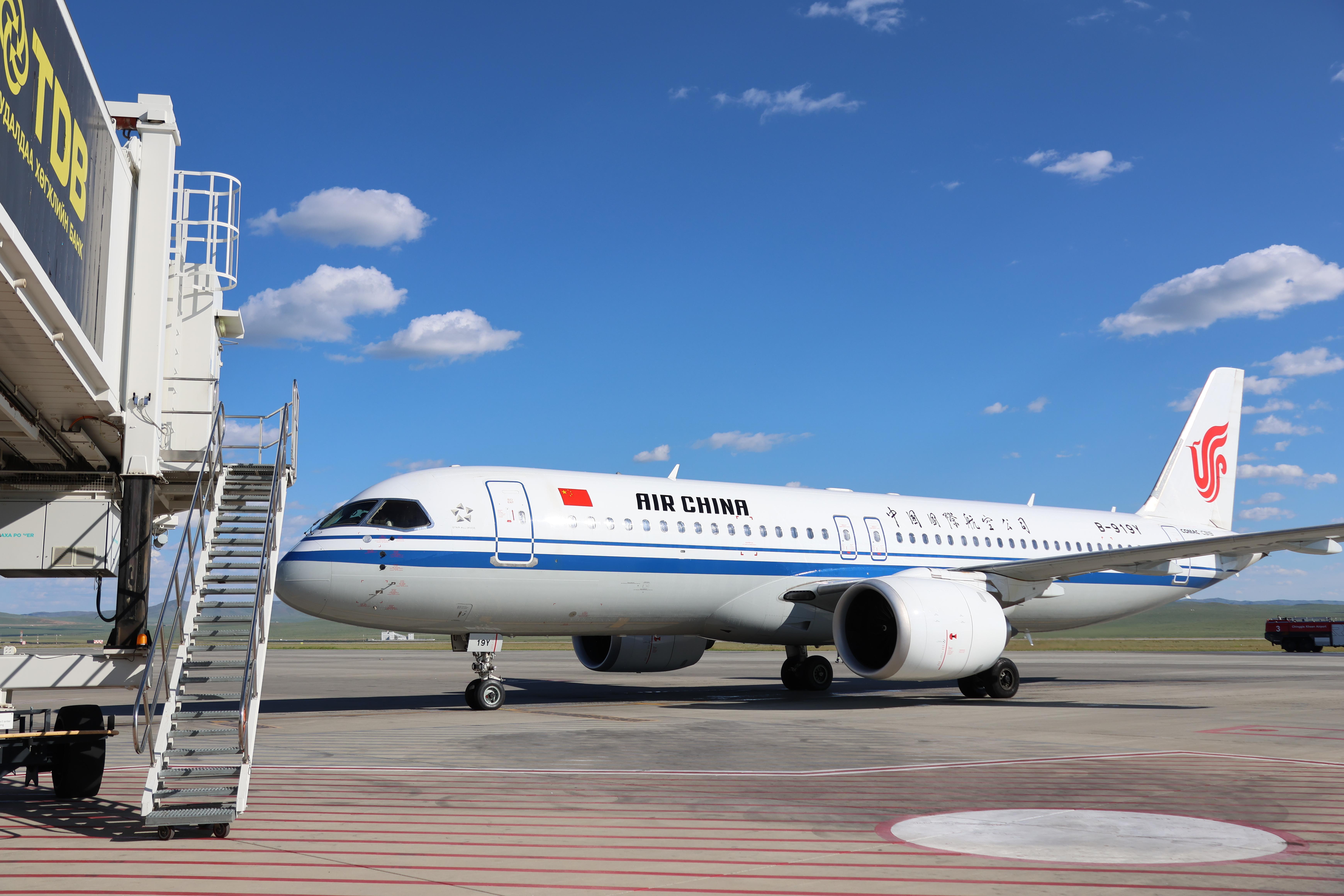
On August 12, Air China's C919 commenced daily round-trip service between Beijing and Ulaanbaatar in Mongolia, marking China's first domestically built trunk jetliner entering a regular international commercial route, integrated into the global ticketing system. This signals the C919 has entered a new phase of cross-border passenger service — a step made possible by not waiting for Western certification but by leveraging bilateral cooperation.

The China-Europe freight train service has become an important bridge for closer international economic and trade exchanges, connecting production and consumption between the two regions and promoting commodity circulation and industrial complementation among the countries along the routes.
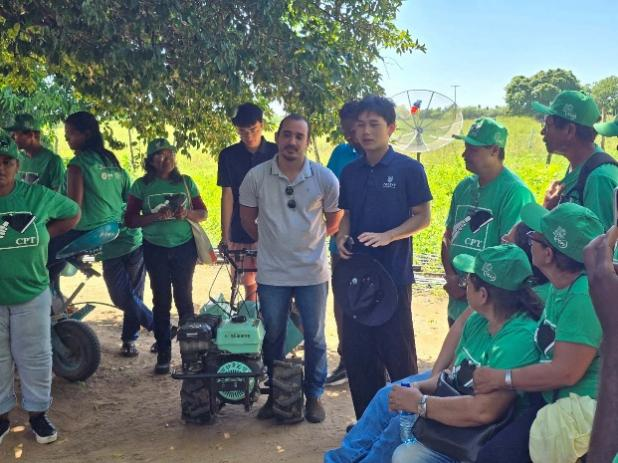
This is a snapshot of daily operations at the "Sci-tech Backyard (STB)" for smart agriculture jointly built by China and Brazil. To date, over 400 hectares at FAL, about 200 hectares in Apodi municipality in northeast Brazil, and nearly 133 hectares in the city of Londrina in southern Brazil have been transformed into smart demonstration zones. Chinese-backed solutions have nearly doubled the efficiency of large-scale corn farming.
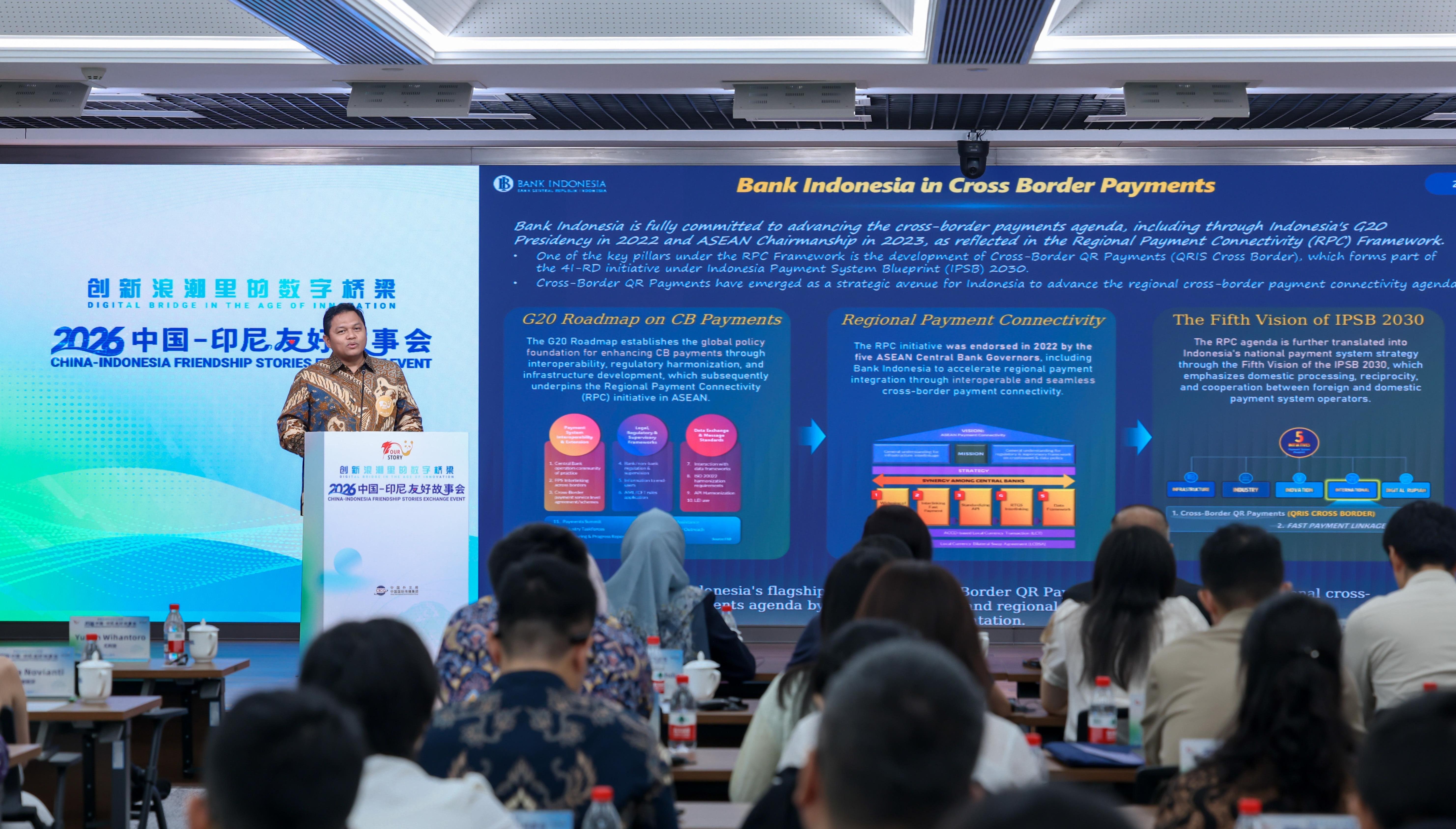
An Indonesian tourist can pay in a restaurant in China simply by scanning the QR code with an Indonesian payment system. This shows how well China and Indonesia cooperate in the digital field. This payment system is called QRIS, short for Quick Response Code Indonesian Standard.
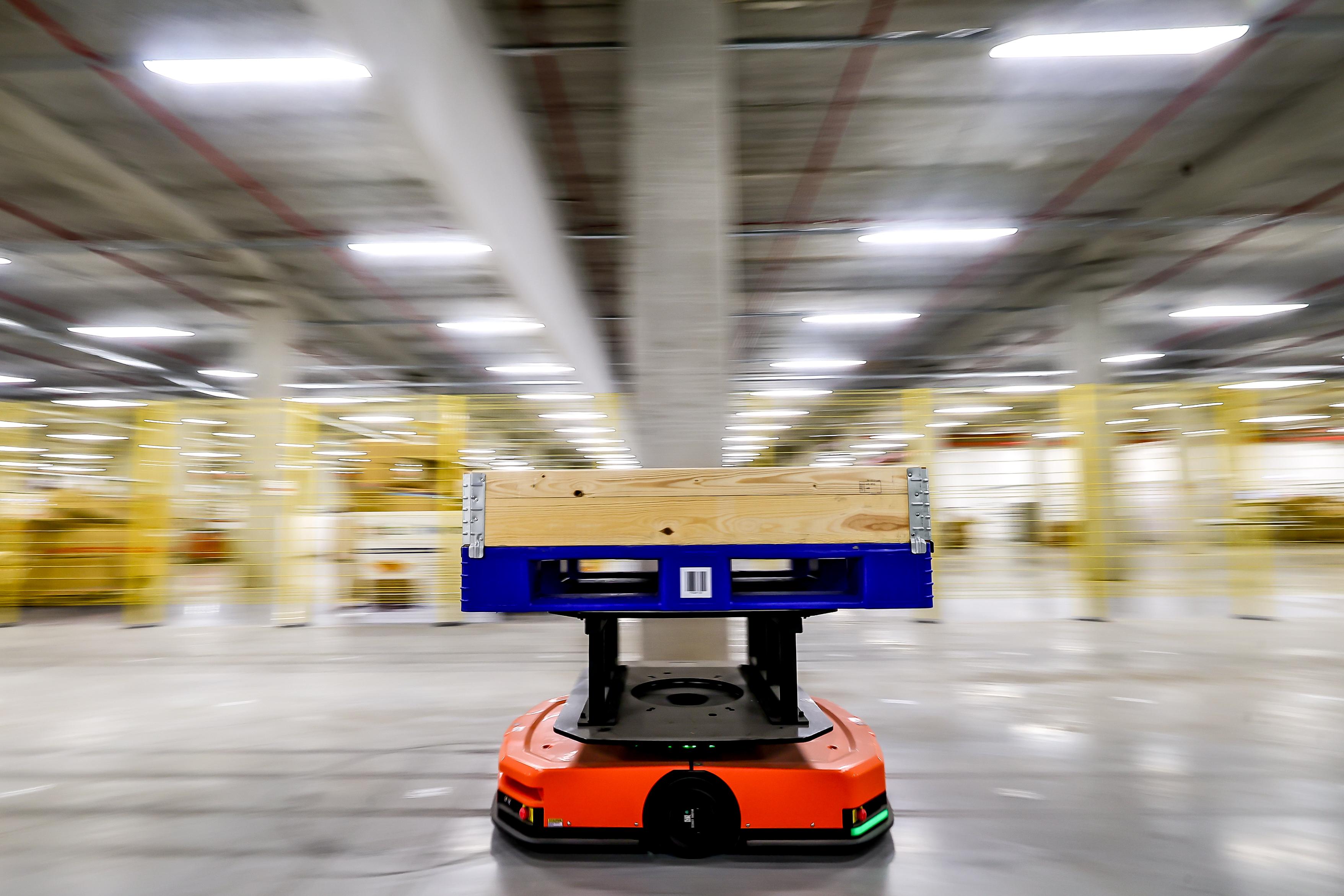
This facility, part of the Vac Smart Fulfillment Center, is one of the largest and highly automated public smart warehousing complexes in Central and Eastern European Countries (CEECs). It also serves as the region's flagship intelligent warehouse dedicated to Chinese cross-border e-commerce enterprises, including Temu, AliExpress and SHEIN.
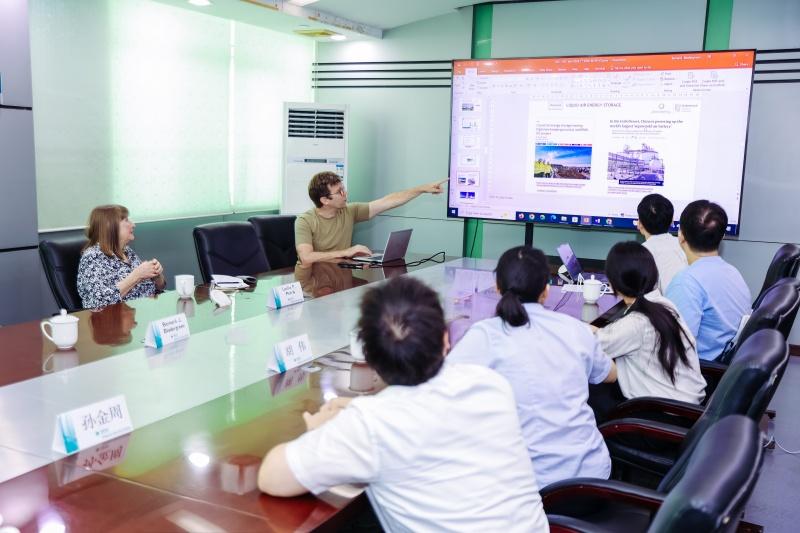
Professors from the University of the Western Cape, South Africa, visited the State Grid Hubei Electric Power Research Institute (SGEPRI) in Wuhan, central China's Hubei province, on July 10.
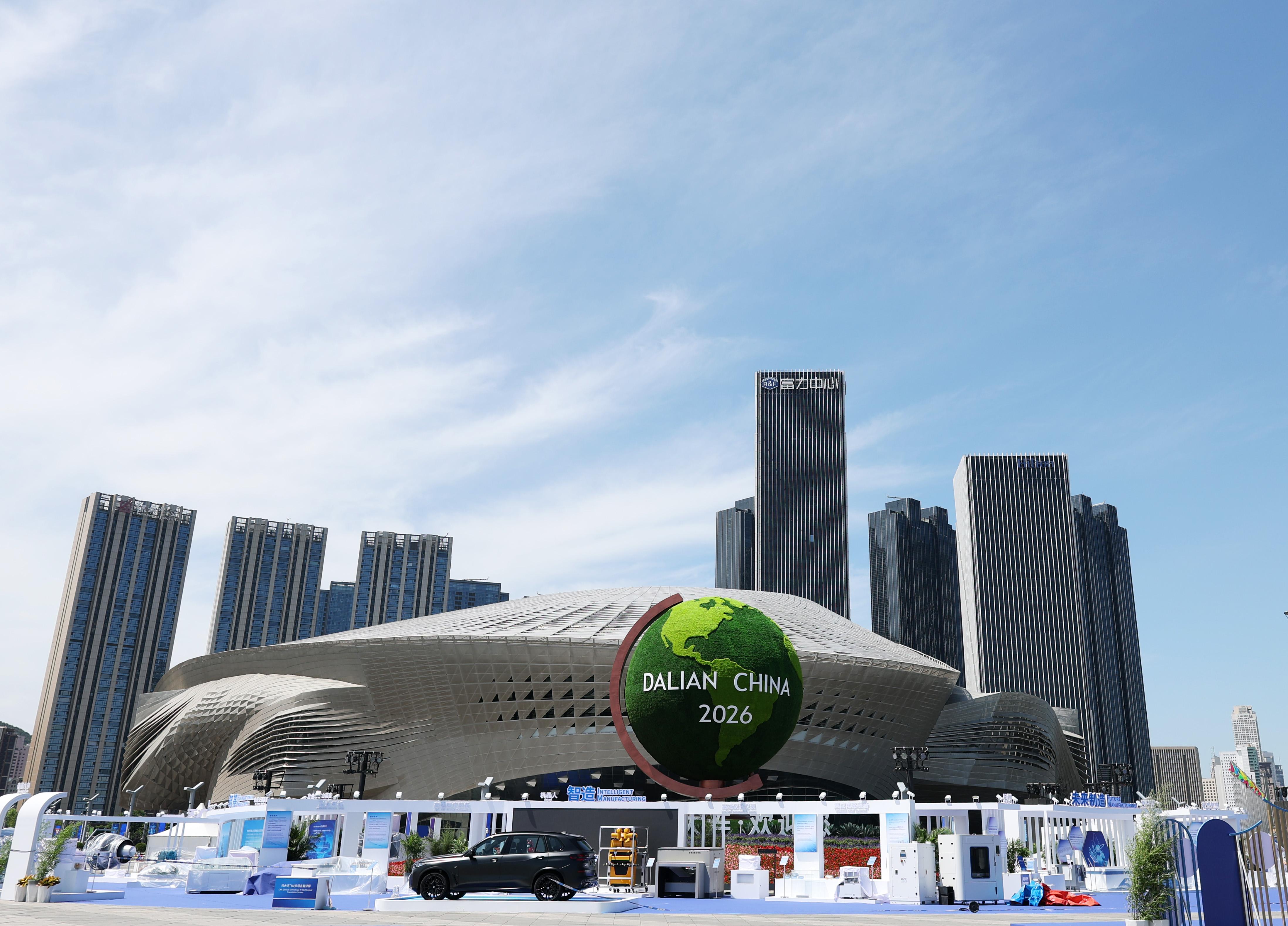
The 2026 Summer Davos forum, officially known as the World Economic Forum (WEF) Annual Meeting of the New Champions, was held in Dalian, Liaoning province in northeast China, with the theme "Innovating at Scale."
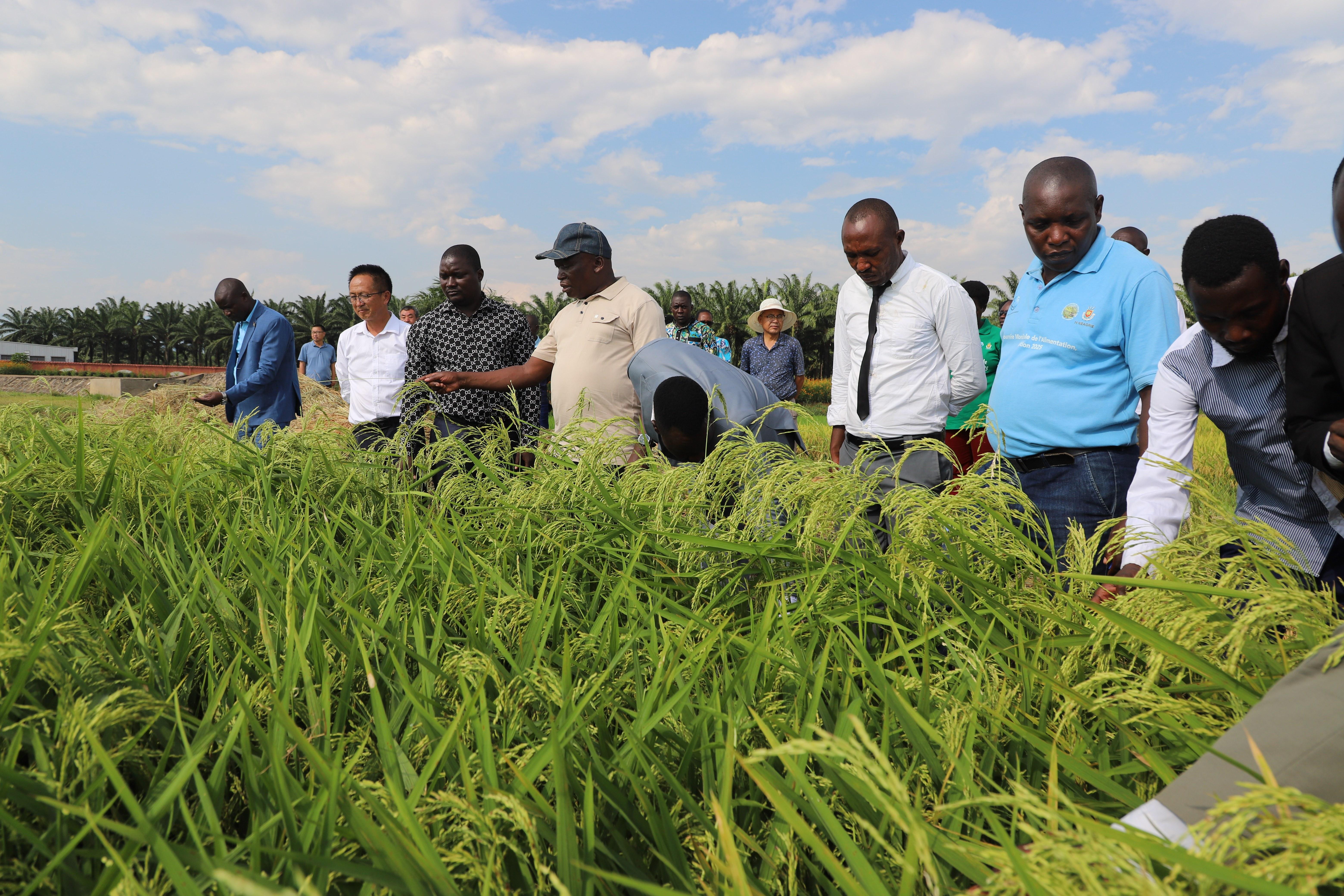
This is no ordinary grain. It is proof that Chinese hybrid rice has taken root across Africa — and it is not just surviving, but thriving and changing lives.
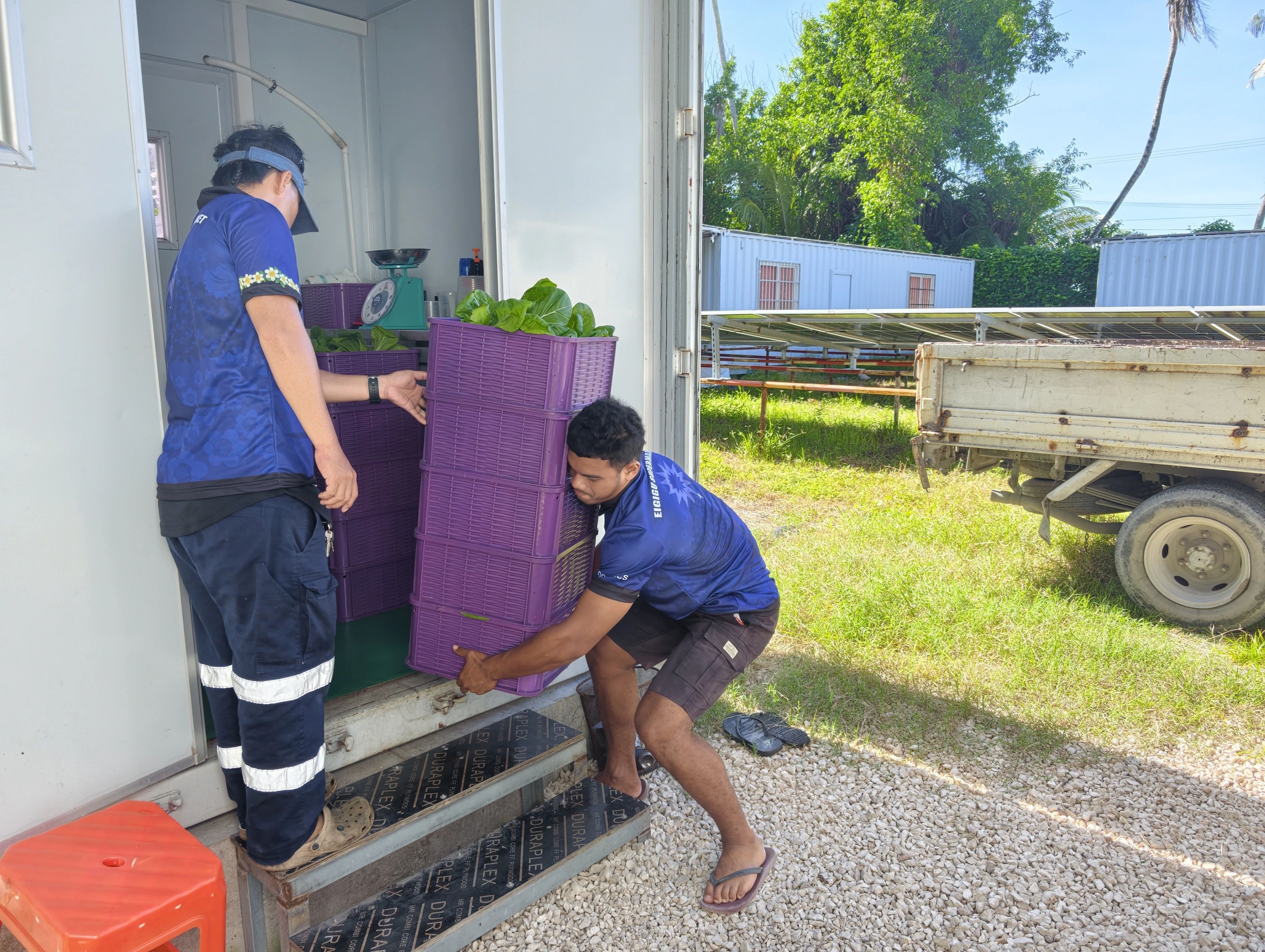
Two shipping containers, equipped with Chinese soilless hydroponic technology, now produce fresh lettuce and other vegetables every Monday, Wednesday and Friday. The system is efficient and climate-independent — ideal for an island nation like Nauru.
As China and Pakistan celebrate the 75th anniversary of their diplomatic relations this year, bilateral sci-tech cooperation is reaching new heights, with a Pakistani astronaut scheduled to join a mission to China's space station. The two countries have made substantial achievements in sci-tech cooperation under various mechanisms, especially the China-Pakistan Economic Corridor, a flagship project under the Belt and Road Initiative.

Against the backdrop of biodiversity loss driven by climate change and human activity, a China-Serbia collaboration originally launched as a research project has grown into a full-spectrum partnership encompassing technology transfer, poverty alleviation, and sustainable agriculture. This "small yet smart”model of cooperation embodies the shared vision of building a community with a shared future for mankind.
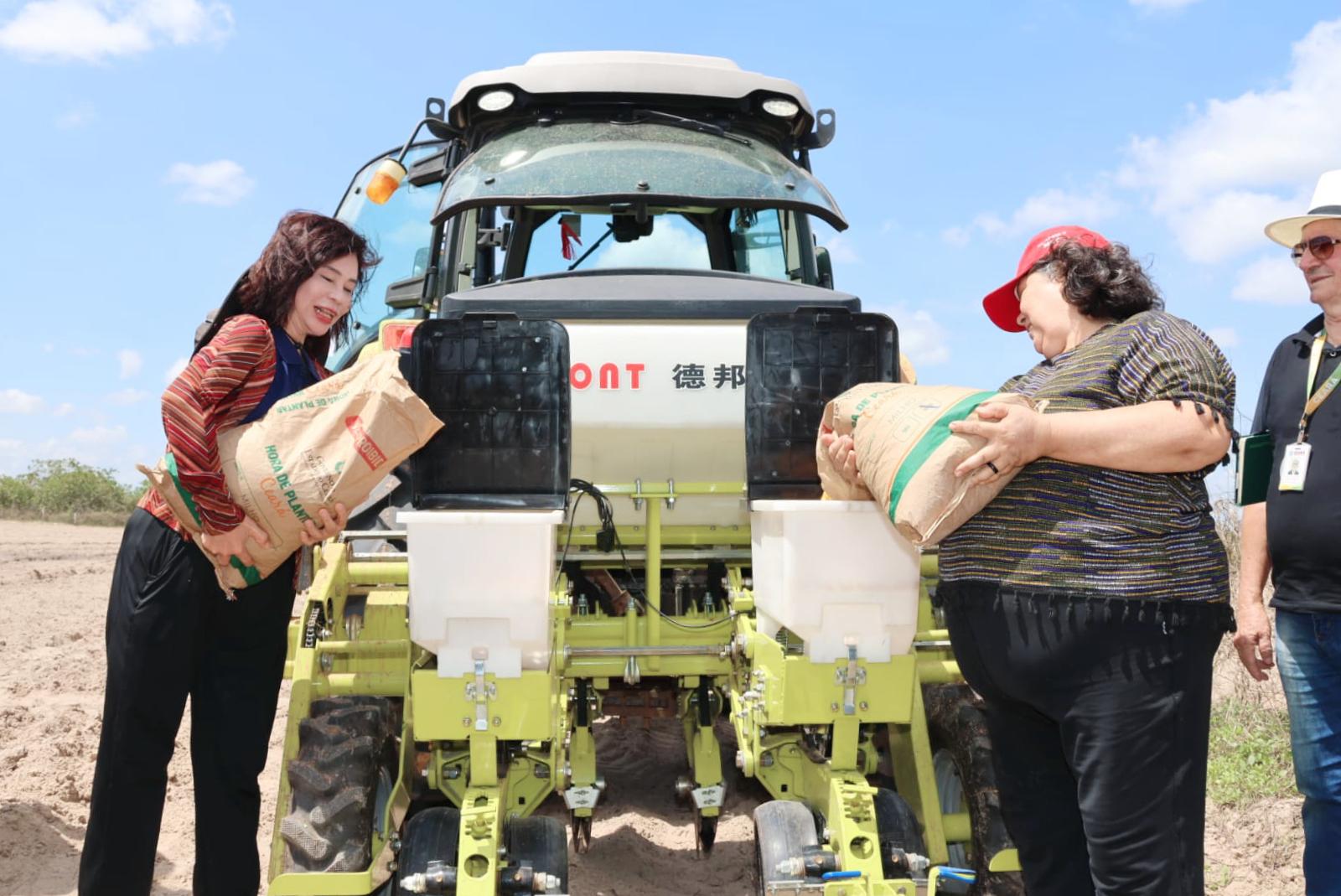
The China-Brazil Science and Technology Backyards (STBs) established in capital city Brasília and Apodi municipality are not only emerging as a vital platform for agricultural cooperation, but also a testament to the deepening bond between the two peoples.
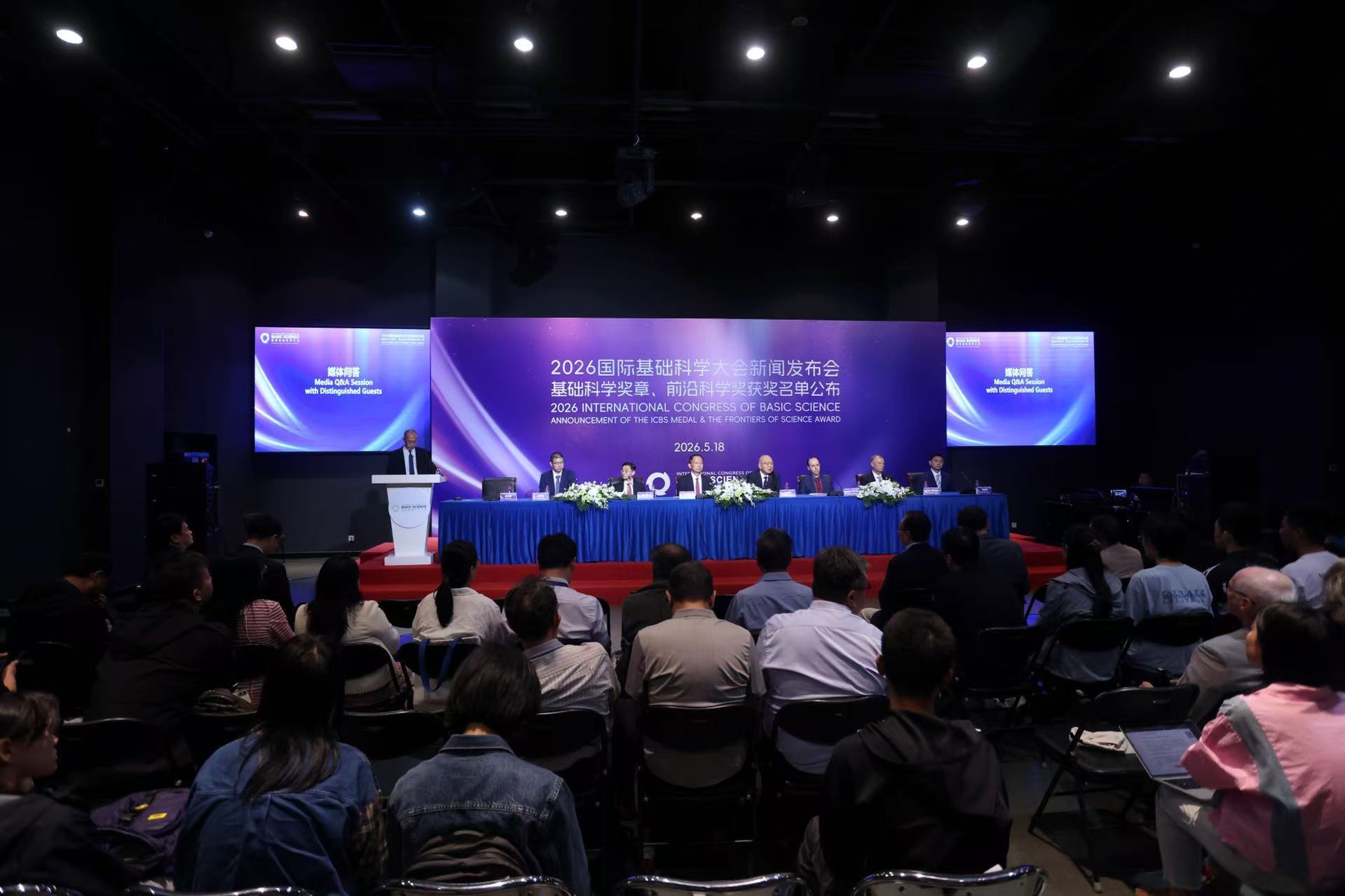
The 2026 International Congress of Basic Science (ICBS) announced the inaugural ICBS Medal and the Frontiers of Science Award winners at Tsinghua University.Nine distinguished scientists from around the world received the ICBS Medal: Claire Voisin, Horng-Tzer Yau, and Shou-Wu Zhang in mathematics; Andrea J. Liu, Yifang Wang, and Xiao-Gang Wen in physics; and Zhenan Bao, Xiaowei Zhuang, and Feng Zhang in engineering.
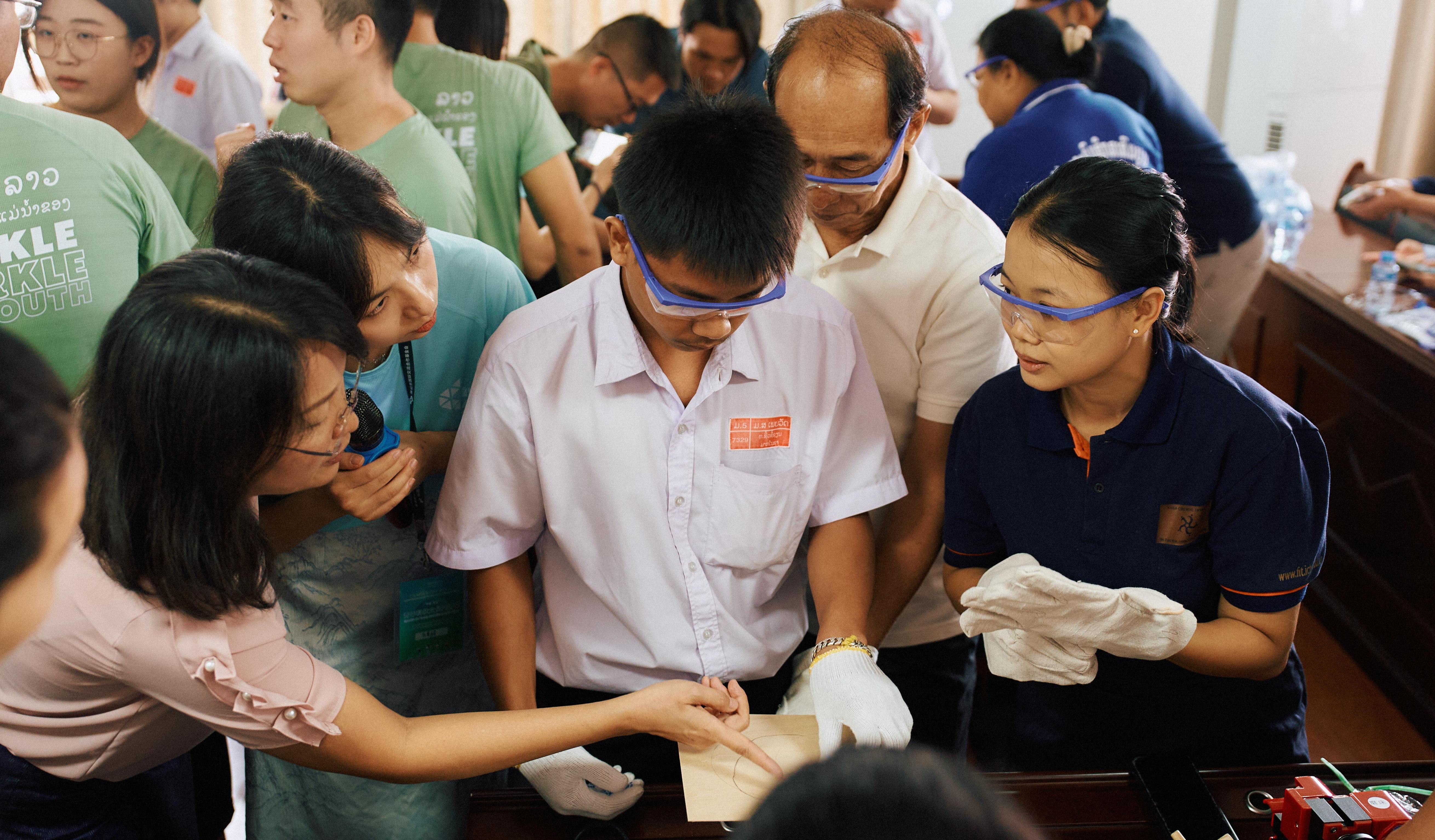
As this year marks the fifth anniversary of the Global Development Initiative (GDI), China's efforts to support education cooperation are gaining momentum. From woodworking equipment to 3D printers and robotic dogs, Chinese enterprises have donated teaching materials for science and technology labs to schools in Laos, Papua New Guinea, Malaysia, and a university in Togo, sparking local students' interest in exploring science and technology.
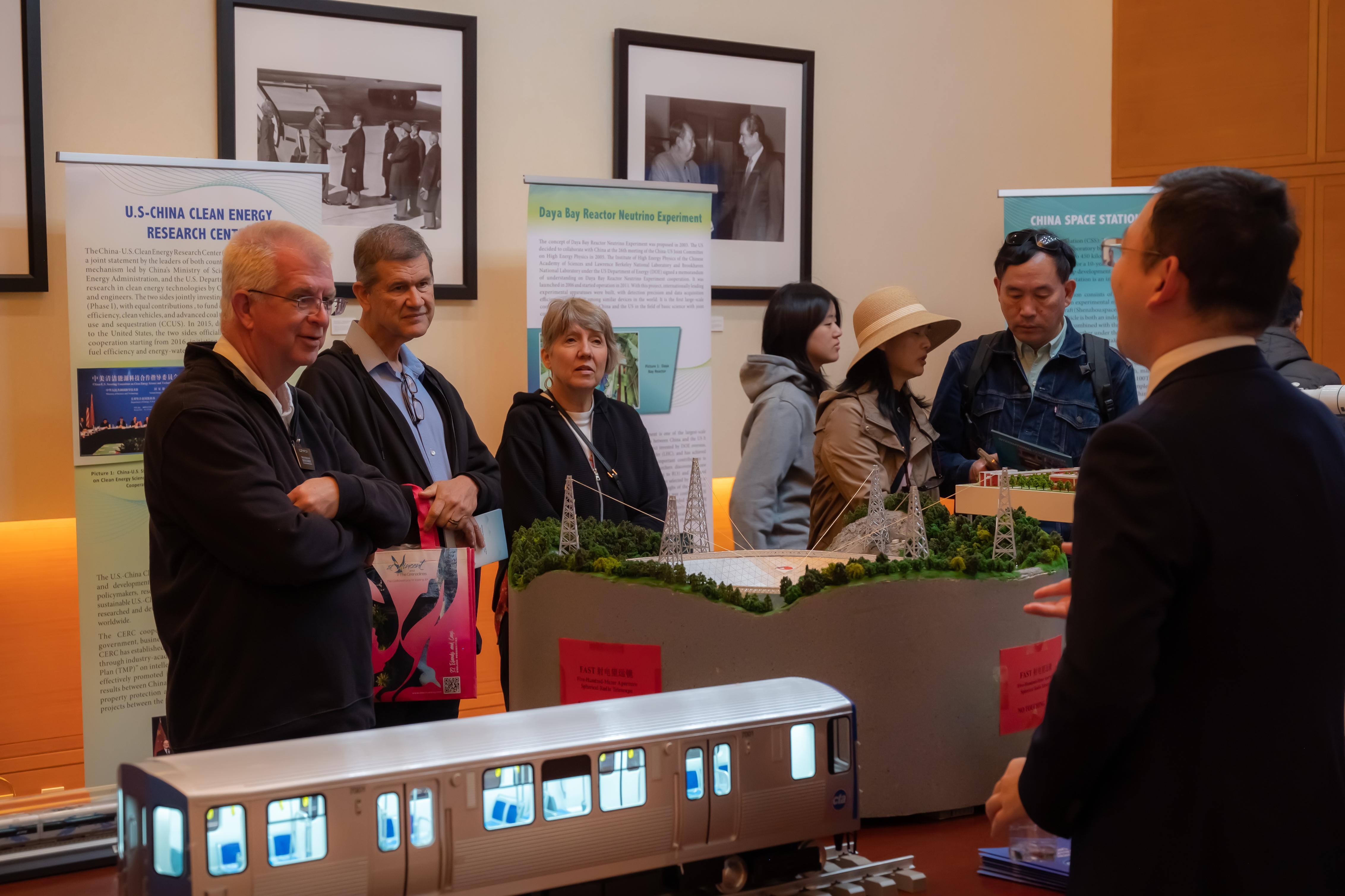
The Chinese Embassy in the U.S. hosted an open house on May 2, featuring a science and technology exhibition titled “Innovate Together: Science & Technology for a Shared Tomorrow.”
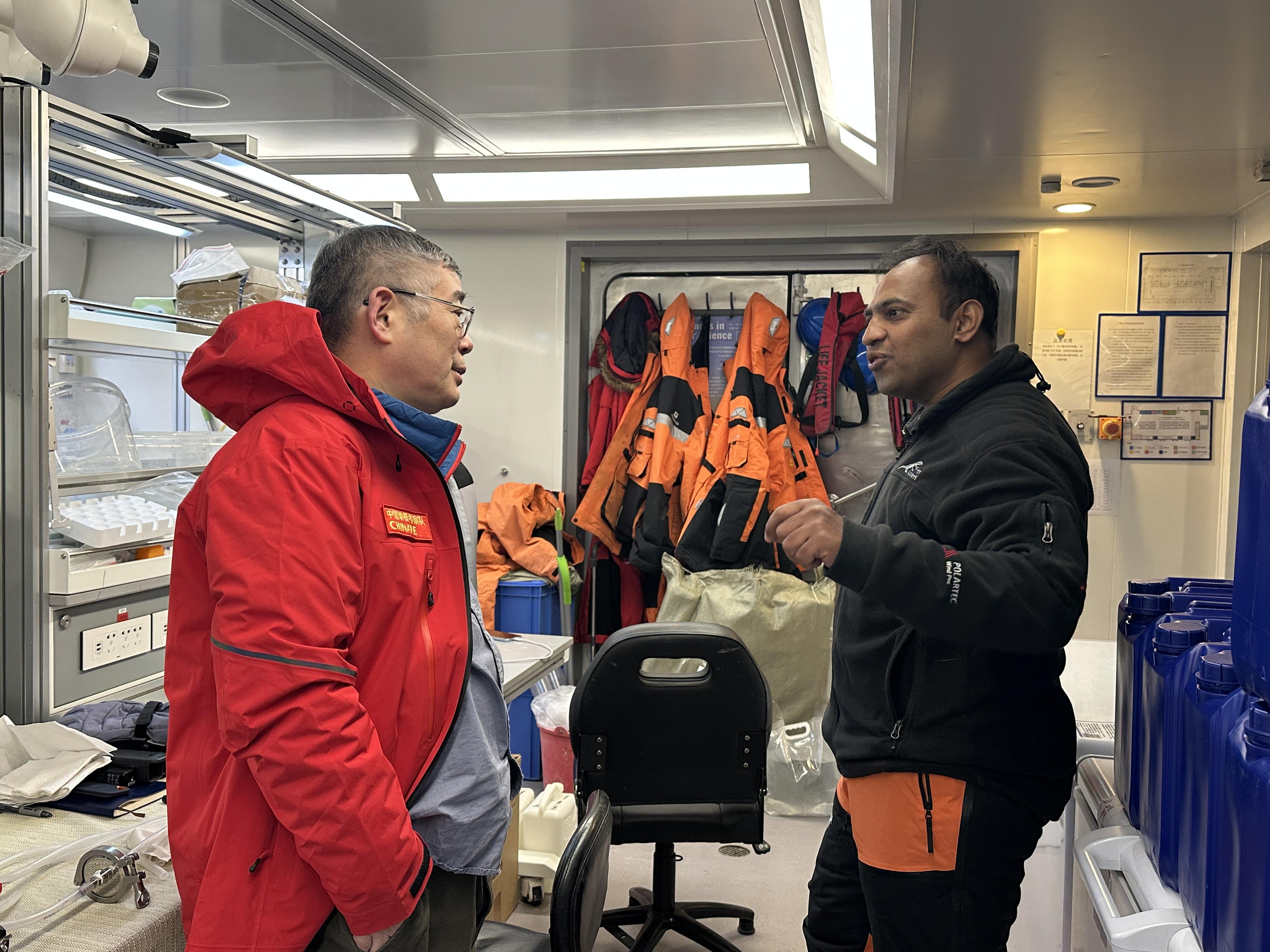
China’s 42nd Antarctic scientific expedition, using the icebreaker Xuelong 2 (Snow Dragon 2) includes an autumn joint voyage in the Prydz Bay to explore the mysteries of Antarctic ecology and global climate change. The joint voyage consists of international scientists from five other countries, such as India, South Korea and Australia.They have shared their insights with the S&T Daily reporter onboard.
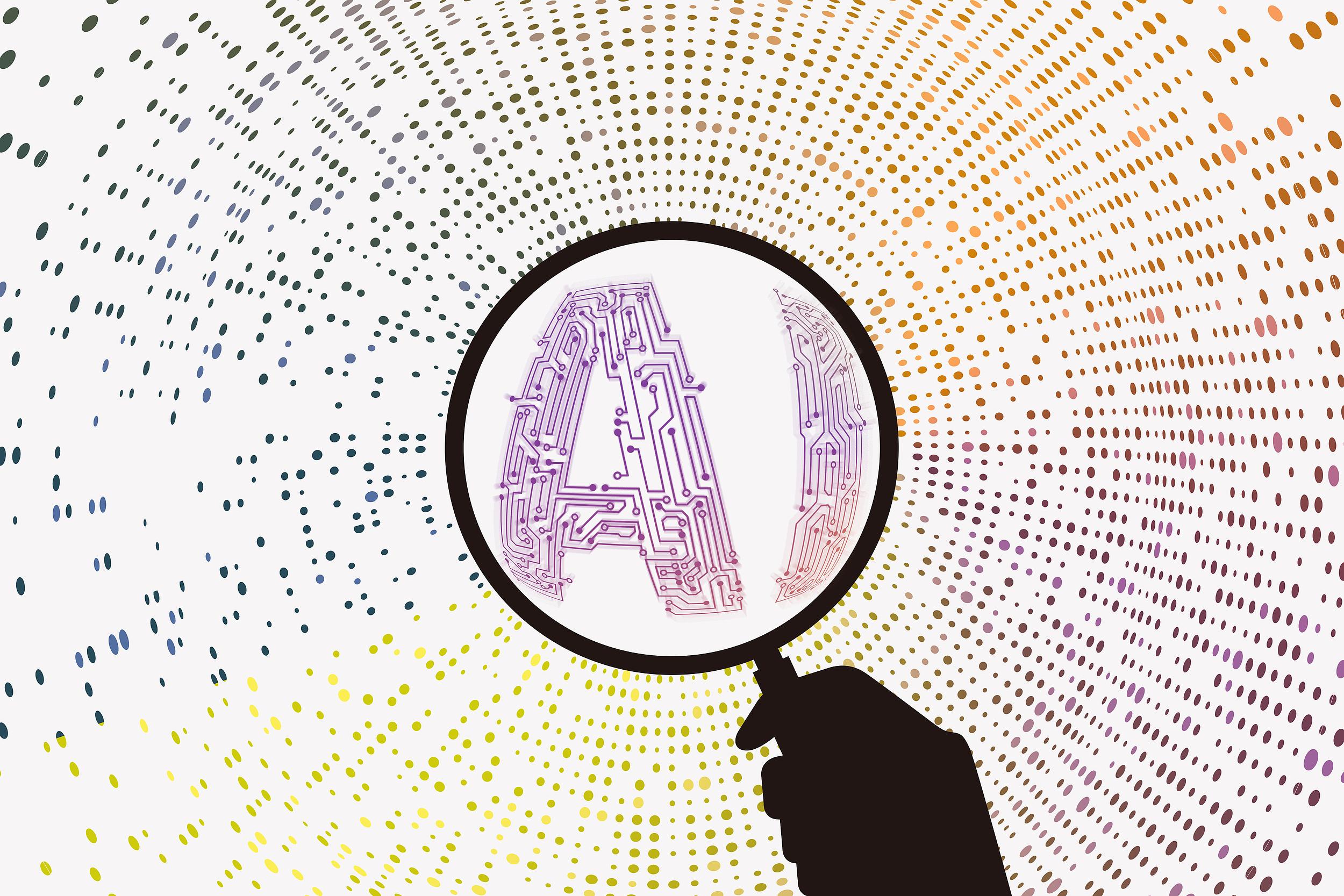
An intelligent AI driven weather forecasting system for Belt and Road Initiative (BRI) partner countries, was recently launched in China.
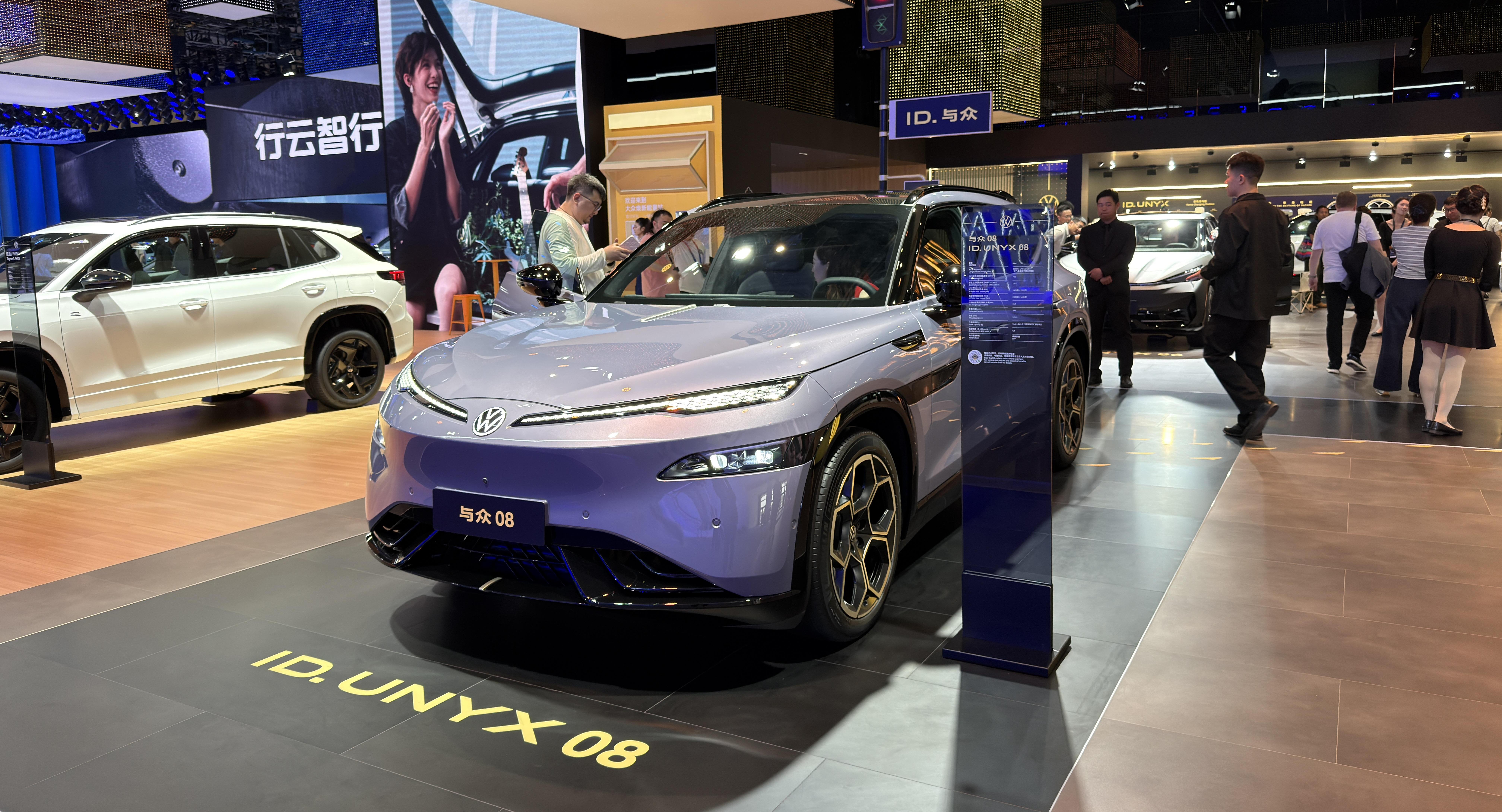
"Traditionally, we have a very strong relationship between China and Germany when it comes to the automotive industry," Hildegard Müller, president of the German Association of the Automotive Industry, told Science and Technology Daily in an interview during the recent 2026 Beijing International Automotive Exhibition.
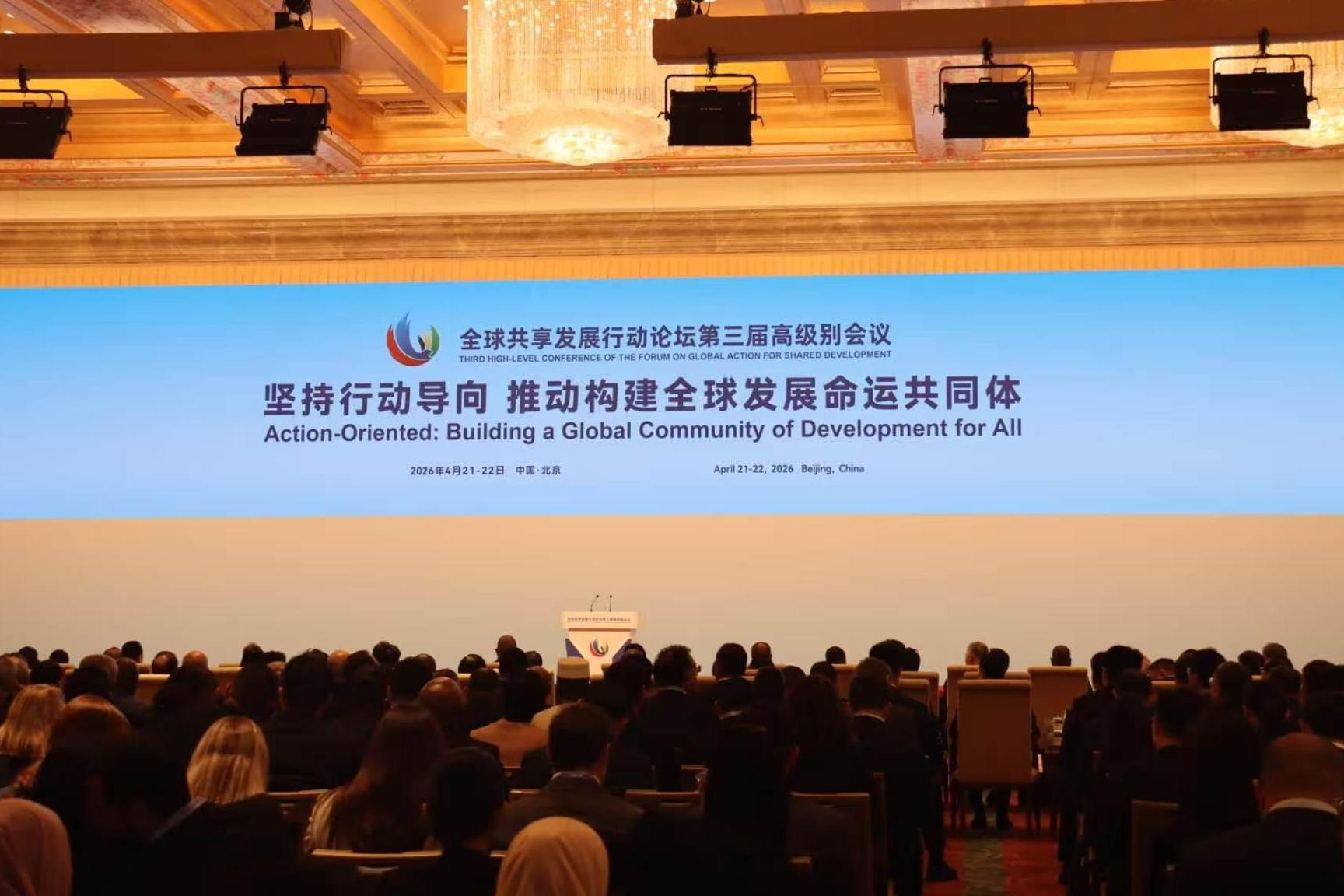
On April 22, 2026, the Third High-Level Conference of the Forum on Global Action for Shared Development was held in Beijing.

Chinese President Xi Jinping has sent a congratulatory letter to the Science and Technology Daily on the occasion of the 40th anniversary of its founding.
Recently, a resident of Chengdu city in southwest China used AI tools to create an intense weight-loss plan. He lost 20 kilograms in 45 days, and then fell into a sudden coma. When he was rushed to the ICU, doctors diagnosed him with multiple organ dysfunction syndrome: A combination of chronic sleep deprivation, irregular eating habits, and high-intensity exercise had disrupted his immune system.